
“`html
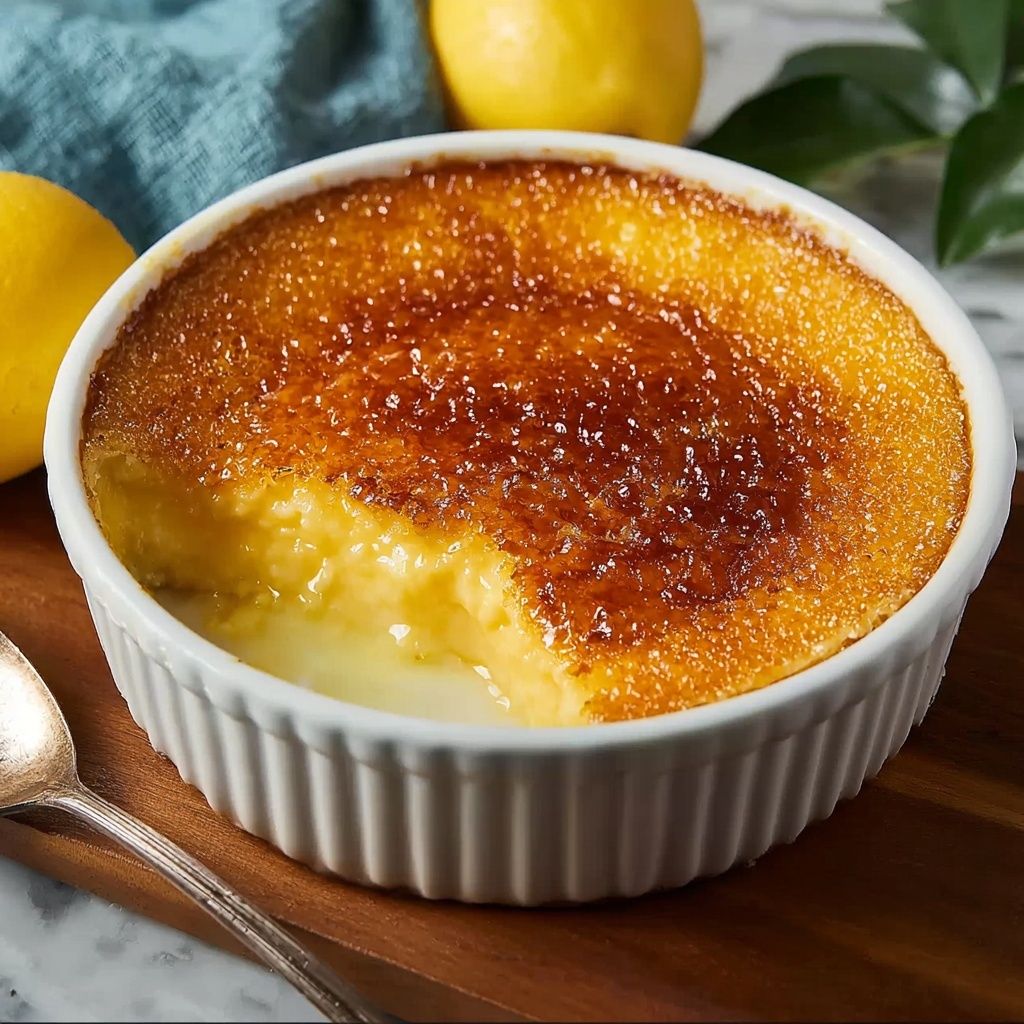
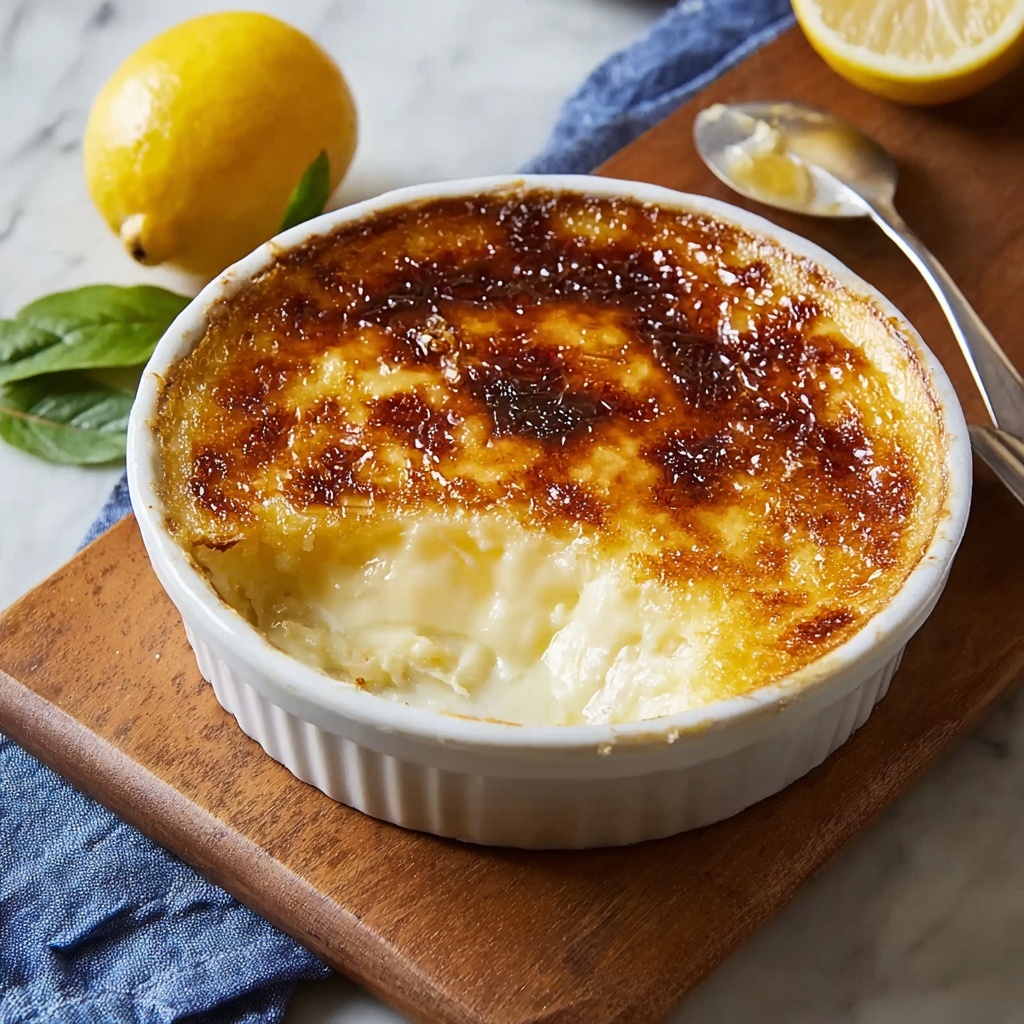
If you are craving a delightfully tangy dessert that melts in your mouth and somehow feels both light and indulgent, this Baked Lemon Pudding Recipe will quickly become your new favorite. Combining the brightness of fresh lemon juice and zest with the creamy, cloud-like texture of baked custard topped with a delicate golden crust, this pudding offers a perfect balance of sweet and tart. It’s an elegant yet simple treat you can whip up with pantry staples, making every spoonful a burst of sunshine on your plate.
Ingredients You’ll Need
To create this wonderfully vibrant Baked Lemon Pudding Recipe, you’ll only need a handful of kitchen essentials. Each ingredient plays a key role—from the sugar that sweetens just enough to the eggs which give the pudding its airy, soft structure.
- 1 cup granulated sugar: Sweetens the pudding while helping to create a smooth texture.
- 3 tablespoons all-purpose flour: Thickens the custard to the perfect luscious consistency.
- 1/4 teaspoon salt: Balances flavors and enhances the brightness of the lemon.
- 1 1/2 cups whole milk: Adds creamy richness essential for a soft pudding.
- 3 large eggs, separated: Yolks add creaminess; whites whipped to firm peaks lighten the pudding.
- 1/4 cup fresh lemon juice: The star of the show, providing a fresh, zesty tang.
- 1 tablespoon lemon zest: Infuses extra citrus aroma and bursts of flavor.
- 1 teaspoon vanilla extract: Adds a subtle warmth that rounds out the tartness perfectly.
- Powdered sugar, for dusting (optional): A delicate finishing touch for visual appeal and mild sweetness.
How to Make Baked Lemon Pudding Recipe
Step 1: Prepare Your Baking Dish and Oven
Start by preheating your oven to 350°F (175°C) and greasing a 1-quart baking dish or individual ramekins. This sets the stage for your pudding to bake evenly and release easily when ready.
Step 2: Combine Dry Ingredients and Milk
In a medium saucepan, whisk together sugar, flour, and salt. Gradually add whole milk while stirring continuously, which ensures there are no lumps and the mixture stays smooth.
Step 3: Cook Until Thickened
Place the saucepan over medium heat, stirring frequently to prevent sticking. You’ll notice the mixture thickening and beginning to boil—this signals the starch activating and the base custard forming.
Step 4: Temper the Egg Yolks
Lightly beat the egg yolks in a separate bowl. To avoid scrambling, slowly whisk about half a cup of the hot milk mixture into the yolks, gently raising their temperature. Then, return this tempered egg yolk mix back to the saucepan and stir until fully combined.
Step 5: Add Lemon and Vanilla Flavors
Now, it’s time to infuse your custard with the fresh lemon juice, bright lemon zest, and fragrant vanilla extract. Stir thoroughly to blend these vibrant flavors into the pudding base.
Step 6: Beat Egg Whites to Stiff Peaks
In a clean, dry bowl, beat the egg whites until they form stiff peaks. This step is crucial as it gives the pudding its signature airy, fluffy texture once baked.
Step 7: Fold Whites into Lemon Mixture
Gently fold the beaten egg whites into the lemon custard mixture. Take your time here—fold carefully to keep all that lovely volume intact without deflating the egg whites.
Step 8: Bake in a Water Bath
Pour the pudding mixture into your prepared dish or ramekins. Set the dish inside a larger pan and fill the outer pan with hot water halfway up the sides of the pudding dish. This water bath ensures gentle, even cooking, preventing cracks and promoting a smooth top. Bake for 35 to 40 minutes until the pudding is set and the surface is lightly golden.
Step 9: Cool and Serve
Once baked, remove the pudding from the oven and let it cool slightly. For an extra touch of sweetness and presentation flair, dust with powdered sugar just before serving.
How to Serve Baked Lemon Pudding Recipe
Garnishes
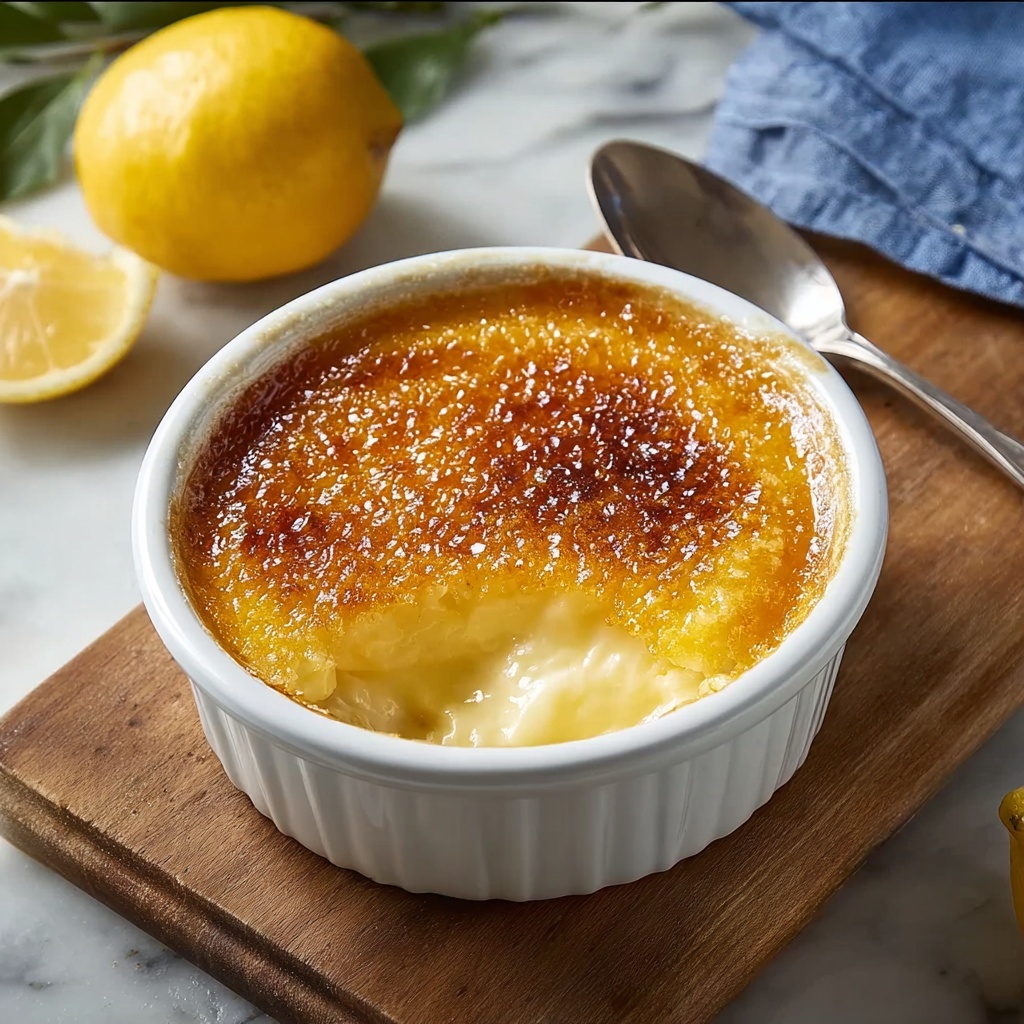
Simple garnishes can elevate the charm of this pudding. Fresh mint leaves, a few thin lemon slices, or a sprinkle of finely grated lemon zest add freshness and visual appeal to each serving.
Side Dishes
This lemon pudding pairs beautifully with a dollop of whipped cream or a scoop of vanilla ice cream. For a textured contrast, try serving alongside buttery shortbread cookies or toasted almond flakes.
Creative Ways to Present
Serve individual portions in clear glass ramekins so guests can admire the golden top and pale yellow custard inside. For gatherings, try layering the pudding with fresh berries in parfait glasses to add color and a fruity burst.
Make Ahead and Storage
Storing Leftovers
You can keep leftover Baked Lemon Pudding Recipe covered in the refrigerator for up to three days. Store it in an airtight container to preserve its delicate texture and fresh flavor.
Freezing
While this pudding is best enjoyed fresh, you can freeze it by placing portions in freezer-safe containers. Thaw overnight in the fridge before reheating gently to retain the custard’s creamy consistency.
Reheating
Warm up leftovers in a low oven or microwave at medium power. Reheat slowly to avoid overcooking which can cause the pudding to curdle or toughen.
FAQs
Can I use lemon extract instead of fresh lemon juice?
Fresh lemon juice and zest provide a vibrant, natural flavor that lemon extract can’t quite replicate. Using fresh is highly recommended for the authentic tang and aroma that define this pudding.
What can I substitute for whole milk?
Whole milk gives the pudding its creamy texture, but you can use 2% milk if needed. Avoid skim milk because the pudding may turn out too thin and less rich.
Is it necessary to bake the pudding in a water bath?
The water bath ensures gentle, even cooking, preventing the pudding from cracking or becoming rubbery. Skipping this step can result in uneven texture, so it’s worth the extra effort.
Can I make this recipe dairy-free?
To create a dairy-free version, substitute whole milk with unsweetened almond or oat milk. Keep in mind the texture and flavor might differ slightly but can still be delicious.
How do I know when the pudding is fully baked?
The pudding is set when the surface is lightly golden and firm to the touch, but still slightly jiggly in the center. It will continue to set as it cools, so be careful not to overbake.
Final Thoughts
There’s something truly comforting and uplifting about this Baked Lemon Pudding Recipe that keeps calling for one more spoonful. It’s bright, buttery, and tender with a softness that makes it perfect for any occasion—whether a casual family dessert or an elegant finale at a dinner party. I encourage you to try making it at home and enjoy the simple pleasure of homemade lemon pudding in every bite.
“`
Print
Baked Lemon Pudding Recipe
- Prep Time: 15 minutes
- Cook Time: 40 minutes
- Total Time: 55 minutes
- Yield: 4 to 4 servings
- Category: Dessert
- Method: Baking
- Cuisine: American
- Diet: Vegetarian
Description
This Baked Lemon Pudding is a light and airy dessert featuring a tangy lemon flavor balanced with a sweet, creamy custard base. The pudding is gently baked in a water bath to achieve a smooth texture with a delicate golden top, perfect for a refreshing finish to any meal.
Ingredients
Main Ingredients
- 1 cup granulated sugar
- 3 tablespoons all-purpose flour
- 1/4 teaspoon salt
- 1 1/2 cups whole milk
- 3 large eggs, separated
- 1/4 cup fresh lemon juice
- 1 tablespoon lemon zest
- 1 teaspoon vanilla extract
- Powdered sugar, for dusting (optional)
Instructions
- Preheat Oven and Prepare Dish: Preheat your oven to 350°F (175°C). Grease a 1-quart baking dish or individual ramekins to prevent the pudding from sticking during baking.
- Mix Dry Ingredients and Milk: In a medium saucepan, whisk together the sugar, all-purpose flour, and salt to combine. Gradually add the whole milk while stirring constantly to avoid lumps and ensure a smooth mixture.
- Cook the Mixture: Place the saucepan over medium heat and stir frequently. Cook until the mixture thickens and just begins to boil, indicating that the flour has cooked and the custard base is thickened. Then remove the pan from heat.
- Temper Egg Yolks: In a separate bowl, lightly beat the egg yolks. Slowly whisk about 1/2 cup of the hot milk mixture into the yolks to temper them, preventing the eggs from scrambling. Return the yolk mixture to the saucepan and stir thoroughly to combine.
- Add Flavorings: Stir in the fresh lemon juice, lemon zest, and vanilla extract until fully incorporated, infusing the custard with bright, citrusy flavors.
- Beat Egg Whites: In a clean bowl, beat the egg whites until stiff peaks form. This aerates them to create the light texture characteristic of the pudding.
- Fold Egg Whites into Mixture: Gently fold the beaten egg whites into the lemon custard mixture, being careful not to deflate the airy whites. This will give the pudding its fluffy consistency.
- Prepare Water Bath and Bake: Pour the combined mixture into the greased baking dish or ramekins. Set this dish inside a larger baking pan and fill the outer pan with hot water until it reaches halfway up the sides of the pudding dish, creating a water bath that helps the pudding cook gently and evenly. Bake in the oven for 35-40 minutes, or until the pudding is set and the top is lightly golden.
- Cool and Serve: Remove the pudding from the oven and allow it to cool slightly before serving. Optionally, dust the top with powdered sugar for a delicate, sweet finish.
Notes
- Using a water bath ensures gentle and even cooking, preventing the pudding from cracking or curdling.
- Be careful when folding in the egg whites to maintain their volume and create a fluffy texture.
- For an extra zing, add a bit more lemon zest or adjust lemon juice to taste, but balance to avoid excessive tartness.
- This pudding can be served warm or chilled depending on preference.
- Ensure egg whites form stiff peaks for best volume and texture.