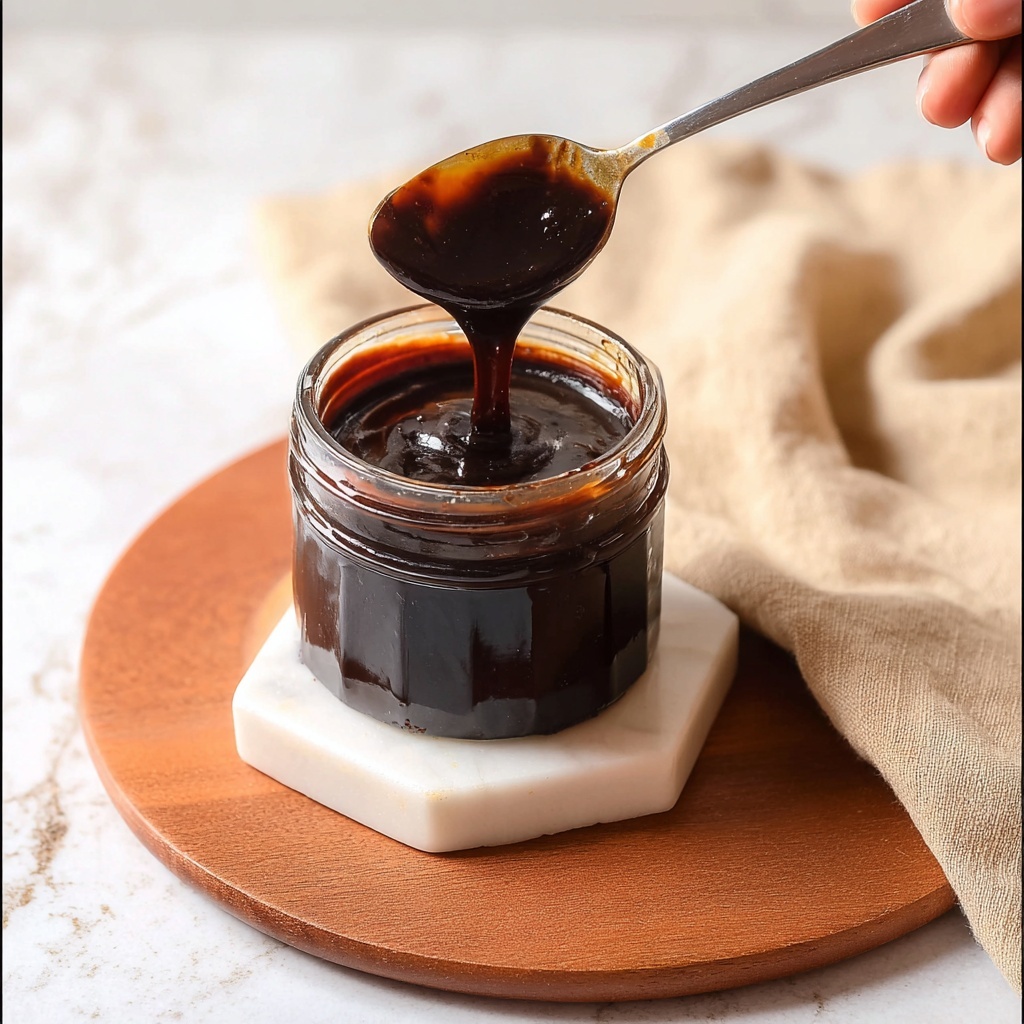
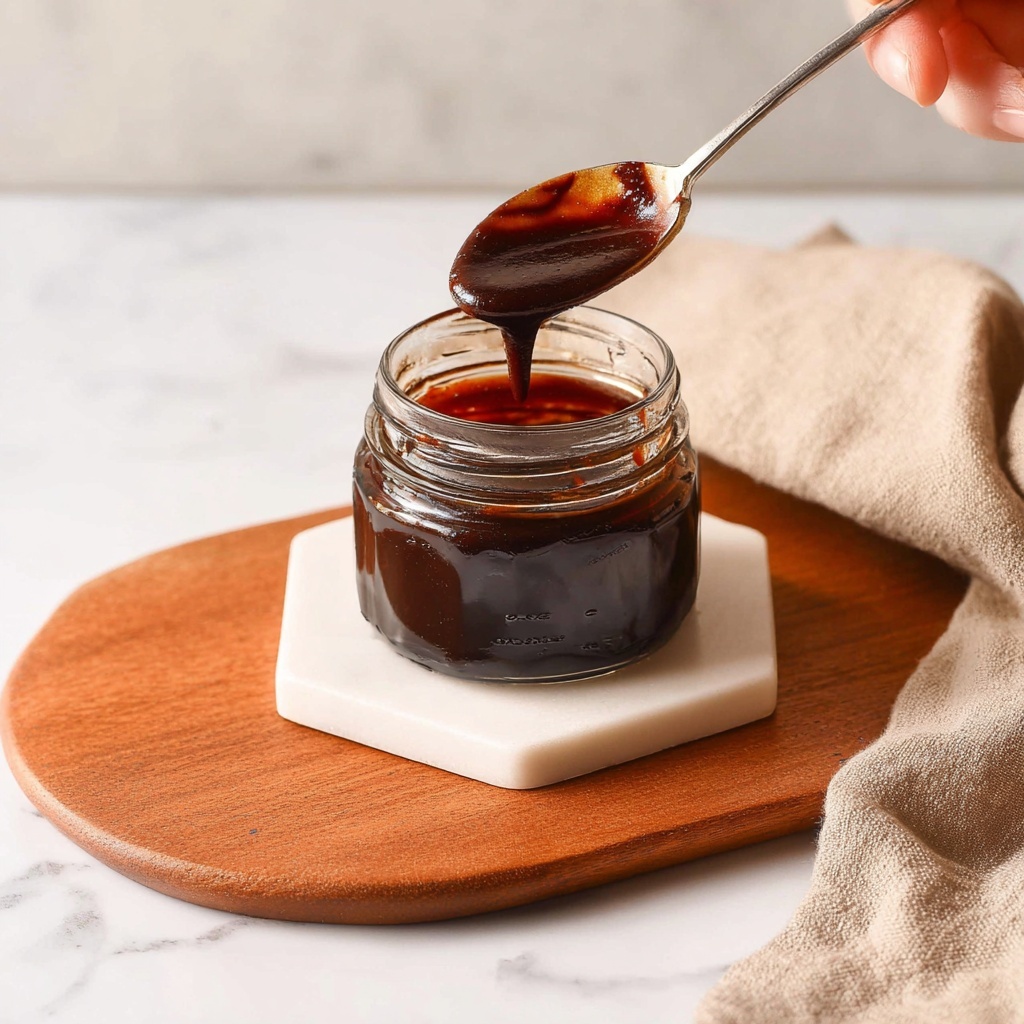
If you love adding a burst of tangy sweetness to your dishes, the Balsamic Glaze Reduction Recipe is an absolute game changer. This luscious, syrupy glaze transforms simple meals into gourmet experiences with its rich depth of flavor and shiny, elegant finish. Whether drizzled over salads, grilled veggies, or even desserts, this glaze delivers a perfect balance of acidity and sweetness that elevates every bite. Making this homemade reduction is incredibly simple, yet it packs a sophisticated punch that store-bought versions just can’t match.
Ingredients You’ll Need
The charm of this Balsamic Glaze Reduction Recipe lies in its straightforward but powerful ingredients. Each one plays a crucial role in creating that perfect syrupy texture and complex flavor profile that you’ll want to drizzle on everything.
- 16 ounces balsamic vinegar: The star ingredient whose natural sweetness and acidity form the base of the glaze.
- 1-2 tablespoons honey: Adds a lovely mellow sweetness that balances the tanginess of balsamic vinegar.
- 1 bay leaf: Infuses a subtle earthy aroma that deepens the overall flavor.
- 1 teaspoon dried seasoning (optional): Herbs like oregano, basil, rosemary, cinnamon, or ginger can add your personal touch and extra layers of flavor.
How to Make Balsamic Glaze Reduction Recipe
Step 1: Pour the Vinegar
Begin by pouring your balsamic vinegar into a medium-sized saucepan. This sets the stage for the transformation from a liquid to a thick, velvety glaze.
Step 2: Add Honey and Stir
Next, add the honey and stir carefully until it completely dissolves into the vinegar. This ensures a consistent sweetness throughout the glaze.
Step 3: Introduce Bay Leaf and Optional Herbs
Add the bay leaf for aromatic depth and, if you like, sprinkle in your choice of dried seasoning like oregano or rosemary. These subtle additions can turn the glaze from simple to spectacular.
Step 4: Boil and Simmer
Bring the mixture to a boil over medium heat. Then reduce the heat and let it simmer gently. Keep a close eye as it thickens and develops that perfect syrupy consistency without burning.
Step 5: Remove and Strain
Once thickened, remove the bay leaf and strain the glaze through a sieve if you used herbs. This step ensures a smooth, glossy finish without any unwanted bits.
Step 6: Cool and Refrigerate
Allow the glaze to cool completely before transferring it to the refrigerator. Chilling helps it thicken further, making it ready for a simple warm pour later.
Step 7: Warm Before Serving
When you’re ready to serve, warm the balsamic glaze slightly. This makes it easier to drizzle and brings out the full spectrum of flavors.
Step 8: Store Properly
Keep your balsamic glaze in an airtight container or jar in the refrigerator. Stored this way, it can last indefinitely, always ready for your next culinary creation.
How to Serve Balsamic Glaze Reduction Recipe
Garnishes
This rich glaze shines when used as a finishing touch. Drizzle it over fresh greens, roasted vegetables, or even a caprese salad to add beautiful color and a tangy-sweet snap. It’s also wonderful on grilled meats or as a dip with artisanal bread.
Side Dishes
Pair your balsamic glaze with roasted potatoes, sautéed asparagus, or caramelized Brussels sprouts. The glaze enhances the natural sweetness of these sides while adding a zesty complexity that makes every forkful more exciting.
Creative Ways to Present
Beyond basics, try swirling balsamic glaze on dessert plates with vanilla ice cream or fresh strawberries for an unexpected burst of flavor. Use it as a base for a dipping sauce alongside cheese and charcuterie boards to impress guests with minimal effort.
Make Ahead and Storage
Storing Leftovers
Since this glaze keeps so well, storing leftovers is easy. Just place it in a clean, airtight jar or container, and pop it into the fridge. The glaze will remain fresh and flavorful for weeks, so you’re always ready for an impromptu flavor boost.
Freezing
Freezing balsamic glaze isn’t typically necessary because it stores well refrigerated. However, if you want to keep a large batch for months, you can freeze it in ice cube trays and transfer the cubes into a freezer bag. Thaw cubes in the fridge overnight and warm gently before use.
Reheating
To enjoy the glaze’s silky texture, warm it gently before serving. Avoid boiling it again, as this might affect the taste. A quick 10-15 second zap in the microwave or a gentle heat in a saucepan is perfect.
FAQs
Can I use regular vinegar instead of balsamic vinegar?
Regular vinegar doesn’t have the depth of sweetness that balsamic vinegar provides, so it won’t produce the same rich flavor or glossy texture. For the best results, stick with good-quality balsamic vinegar.
What if I don’t have honey? Can I substitute it?
Absolutely! You can use maple syrup, brown sugar, or even agave nectar as alternatives. Each will add its own twist on sweetness, but honey tends to blend seamlessly with balsamic flavors.
How thick should the balsamic glaze be?
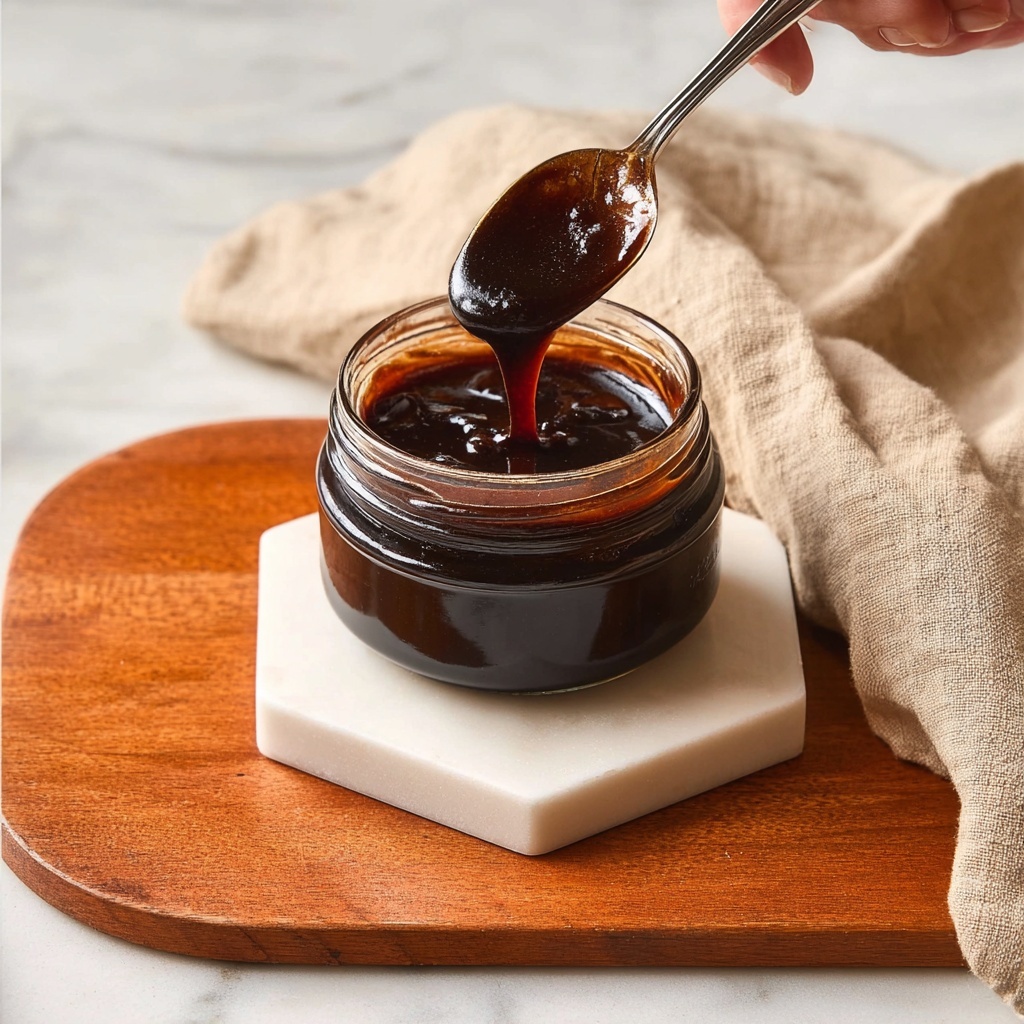
The ideal consistency is syrupy and coats the back of a spoon smoothly without being too thick or sticky. It should drizzle easily but hold its shape when poured.
Can I add fresh herbs instead of dried?
Yes, but fresh herbs release stronger flavors and moisture, so add them sparingly and strain well to avoid cloudy glaze or bits of herb floating around.
How long does the glaze last once refrigerated?
Refrigerated balsamic glaze can last for several weeks to months if stored in an airtight container. Always check for off smells or changes in texture before use.
Final Thoughts
This Balsamic Glaze Reduction Recipe is a small kitchen miracle that elevates everyday meals effortlessly. Its rich, tangy-sweet flavor and luscious texture make it a versatile staple you’ll reach for again and again. Give it a try—you’ll wonder how you ever cooked without it.
Print
Balsamic Glaze Reduction Recipe
- Prep Time: 5 minutes
- Cook Time: 5 minutes
- Total Time: 10 minutes
- Yield: 8 servings
- Category: Sauce
- Method: Stovetop
- Cuisine: Italian
Description
This Balsamic Glaze Reduction is a simple and versatile condiment made by simmering balsamic vinegar with a touch of honey and optional herbs until it thickens into a syrupy glaze. It adds a rich, tangy sweetness to salads, meats, vegetables, and desserts.
Ingredients
Main Ingredients
- 16 ounces balsamic vinegar
- 1–2 tablespoons honey
- 1 bay leaf
- 1 teaspoon dried seasoning of choice (optional – such as oregano, basil, rosemary, cinnamon, or ginger)
Instructions
- Pour vinegar: Pour the balsamic vinegar into a medium-sized saucepan to prepare for simmering.
- Add honey: Stir in 1 to 2 tablespoons of honey until fully dissolved, which will add sweetness to the reduction.
- Add herbs: Add the bay leaf and any optional dried herbs or spices you prefer, like oregano or cinnamon, for extra flavor.
- Simmer: Bring the mixture to a boil over medium heat, then reduce temperature and let it simmer. Keep an eye on it as it thickens to a syrupy consistency, making sure it doesn’t burn. This typically takes about 5 minutes.
- Strain and remove bay leaf: Remove the bay leaf and strain the glaze through a sieve if other herbs were added to ensure a smooth texture.
- Cool and refrigerate: Allow the glaze to cool before transferring it to a container and refrigerate until ready to use.
- Warm before use: When you’re ready to use the glaze, warm it slightly so that it pours easily.
- Storage: Store the balsamic glaze in an airtight container in the refrigerator, where it can be kept indefinitely.
Notes
- Keep a close watch during simmering to avoid burning the glaze.
- The consistency should be thick and syrupy but still pourable.
- Adjust the amount of honey to control the sweetness level.
- The glaze will thicken further as it cools.
- Use this glaze to enhance salads, grilled vegetables, meats, or even desserts like strawberries and ice cream.