
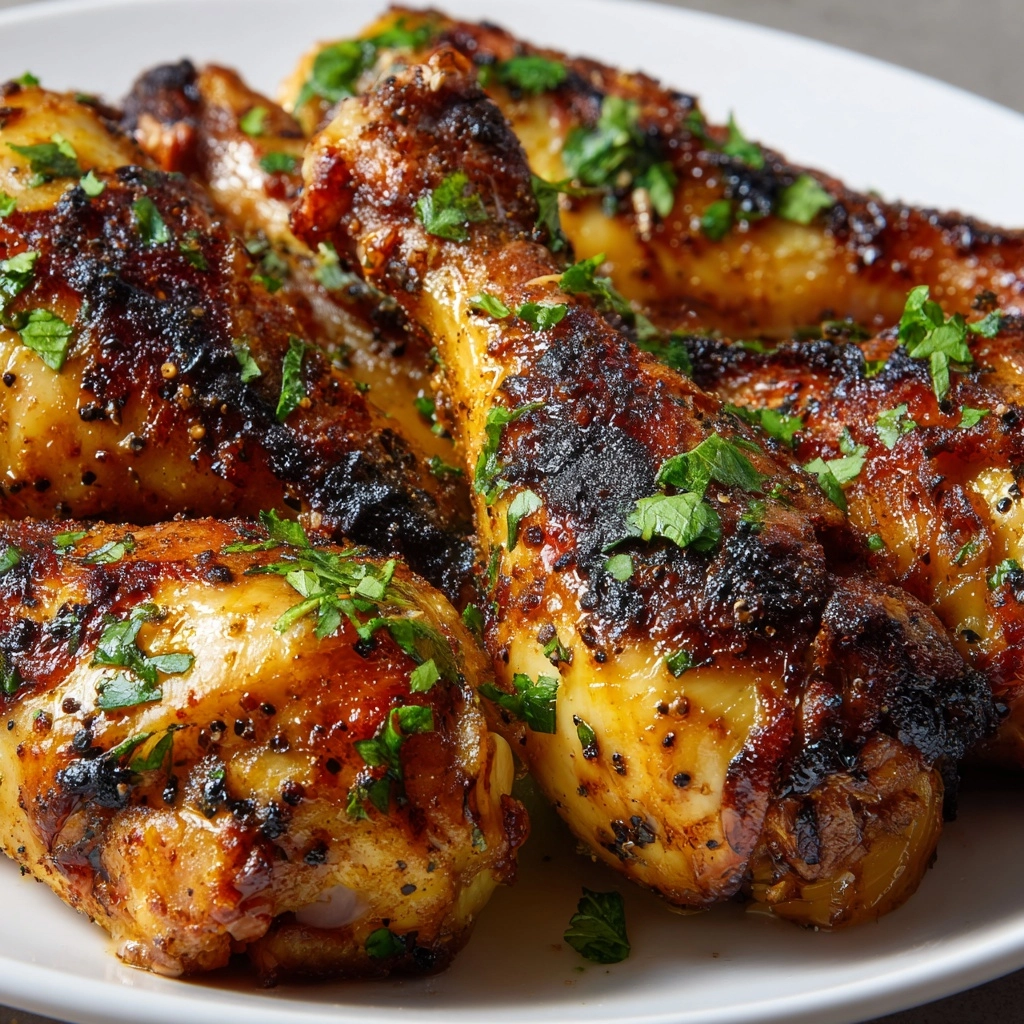
If you’ve ever dreamed of meltingly tender chicken with exquisitely crisp skin and a depth of flavor that feels like a warm hug, this Chicken Leg Confit Recipe is your new best friend. Rooted in classic French technique, this slow-cooked marvel is all about patience and quality ingredients, resulting in chicken so succulent it nearly falls off the bone, while bathed in fragrant duck fat that infuses every bite with richness. Once you taste it, you’ll understand why this recipe isn’t just a meal but an experience worthy of special occasions or cozy nights in.
Ingredients You’ll Need
The magic behind this Chicken Leg Confit Recipe lies in its simple yet carefully chosen ingredients. Each element plays a crucial role, whether it’s seasoning, aromatics, or the luscious fat that cooks the chicken to perfection. Let’s break down what you’ll need to make this classic dish come alive in your kitchen.
- 4 bone-in, skin-on chicken legs: The star of the dish, providing juicy meat and crispy skin when finished.
- 2 tablespoons kosher salt: Essential for seasoning and drawing out moisture to concentrate flavor.
- 1 teaspoon black pepper: Adds gentle heat and deep earthiness.
- 4 garlic cloves (smashed): Infuse the fat and meat with a warm, aromatic punch.
- 4 sprigs fresh thyme: A classic herb that brightens and balances rich flavors.
- 2 bay leaves: Offer subtle complexity and fragrant undertones.
- 2 cups duck fat (or enough to fully submerge the chicken): The traditional cooking medium, delivering unbeatable richness and luscious texture.
- Optional: 1 teaspoon crushed red pepper flakes: For those who love a hint of gentle heat.
How to Make Chicken Leg Confit Recipe
Step 1: Season and Marinate
Begin by patting your chicken legs dry using paper towels—this ensures the skin crisps up beautifully later. Generously season each leg all over with kosher salt and black pepper. Place the chicken in a dish along with smashed garlic, thyme sprigs, bay leaves, and red pepper flakes if you choose to use them. Cover the dish and refrigerate it for at least 12 hours or overnight. This slow, gentle salting tenderizes the meat and infuses it deeply with aromatic flavors.
Step 2: Prepare for Slow Cooking
When your marinating time is up, rinse the chicken legs thoroughly to wash away excess salt and pat them dry again. This step is crucial to avoid an overly salty dish while still retaining the flavor advantages from the cure. Nestle the legs snugly in an oven-safe dish or Dutch oven.
Step 3: Submerge and Slow Cook in Duck Fat
Pour the duck fat over the chicken legs, making sure they are fully submerged—this is the heart of the confit method. Place the dish uncovered in a preheated oven at 225°F (110°C) and slow-cook the chicken for 2.5 to 3 hours. During this time, the fat gently braises the meat until it becomes incredibly tender and nearly falling off the bone. You’ll love how the flavors amplify the longer the chicken luxuriates in this warm bath.
Step 4: Cool and Crisp the Skin
Once cooked, let the chicken cool in the duck fat right on your countertop until it reaches room temperature. The slow cooling process helps lock in moisture and full-flavor development. When you’re ready to serve, carefully lift the legs out of the fat and pan-sear skin-side down in a skillet over medium-high heat for 5 to 6 minutes. This final step crisps up the skin to a golden, irresistible crunch that beautifully contrasts the tender meat beneath.
How to Serve Chicken Leg Confit Recipe

Garnishes
A simple handful of fresh thyme or a sprinkle of finely chopped parsley can add a pop of color and freshness to your plate, perfectly complementing the richness of the chicken. A squeeze of bright lemon juice just before serving can also cut through the luscious fat, balancing each bite.
Side Dishes
Traditional sides for this Chicken Leg Confit Recipe include creamy mashed potatoes or crispy roasted potatoes, allowing you to soak up every bit of that incredible duck fat flavor. A crisp green salad with a sharp vinaigrette can also provide a refreshing contrast, while sautéed greens like garlicky spinach bring a delicious earthiness that pairs beautifully.
Creative Ways to Present
For entertaining, serve your chicken confit on a rustic wooden board alongside pickled vegetables and crusty bread. This turns a humble dish into a gorgeous sharing platter. Alternatively, shred the meat for crostini toppings or use it to elevate a simple pasta or risotto, letting the deep flavors of the confit shine through in unexpected dishes.
Make Ahead and Storage
Storing Leftovers
Your cooked Chicken Leg Confit Recipe can be stored in the duck fat in an airtight container in the refrigerator for up to one week. Keeping it submerged preserves moisture and flavor, so whenever you want a quick, impressive meal, it’s ready to reheat and crisp again.
Freezing
For longer storage, remove the chicken from the fat and wrap each leg tightly in plastic wrap and foil before freezing. You can also freeze the duck fat separately for future use. Frozen confit will maintain excellent quality for up to three months, making this an ideal make-ahead dish for busy weeks.
Reheating
To reheat, gently warm the chicken legs in a low oven or atop the stovetop in a skillet with a little duck fat or oil to prevent drying. Finish by crisping the skin as you did originally—this step is key to reviving that signature texture you crave.
FAQs
What is the difference between chicken confit and regular roasted chicken?
Chicken confit is slowly cooked in fat at a low temperature, which results in extraordinarily tender meat and rich flavor. Regular roasted chicken is typically cooked at higher heat without fat submersion, focusing on browning and crisp skin but with a different texture and juiciness.
Can I use other fats instead of duck fat?
Absolutely! While duck fat is traditional and adds signature flavor, you can use chicken fat or even olive oil as substitutes. Keep in mind each fat will impart a slightly different taste and texture.
How long does chicken confit last in the fridge?
When stored submerged in fat in a sealed container, chicken confit will stay fresh and delicious for up to one week. This preservation method helps maintain moisture and flavor remarkably well.
Is this Chicken Leg Confit Recipe gluten-free?
Yes! This recipe naturally contains no gluten, making it a great choice for those following a gluten-free diet looking for an indulgent yet safe dish.
Can I make chicken confit without marinating overnight?
The overnight salt cure deeply enhances flavor and tenderness, so while you could skip it in a pinch, the classic Chicken Leg Confit Recipe shines brightest with at least 12 hours of marinating.
Final Thoughts
There’s something truly special about making this Chicken Leg Confit Recipe that feels both timeless and indulgently comforting. With its luscious texture and sophisticated flavors, it’s a dish that invites you to slow down and savor every mouthful. I wholeheartedly encourage you to try it yourself—you might just create a new favorite that dazzles your taste buds and warms your heart, meal after meal.
Print
Chicken Leg Confit Recipe
- Prep Time: 15 minutes (plus 12 hours marinating)
- Cook Time: 3 hours
- Total Time: 3 hours 15 minutes (plus marinating time)
- Yield: 4 servings
- Category: Main Course
- Method: Slow Cooking
- Cuisine: French
- Diet: Gluten Free
Description
Experience the rich, tender flavors of classic French cuisine with this Chicken Leg Confit recipe. Slowly cooked in duck fat at a low temperature, these chicken legs become incredibly moist and flavorful, with a crisp, golden skin achieved by a quick pan-sear. Perfect for an elegant main course, this recipe combines simple ingredients and slow cooking to deliver a melt-in-your-mouth texture every time.
Ingredients
For the Chicken:
- 4 bone-in, skin-on chicken legs
- 2 tablespoons kosher salt
- 1 teaspoon black pepper
- 4 garlic cloves, smashed
- 4 sprigs fresh thyme
- 2 bay leaves
- 1 teaspoon crushed red pepper flakes (optional)
For Cooking:
- 2 cups duck fat (or enough to fully submerge the chicken)
Instructions
- Season and Marinate: Pat the chicken legs dry thoroughly with paper towels. Season all over with kosher salt and black pepper. Place the legs in a dish along with the smashed garlic cloves, fresh thyme sprigs, bay leaves, and crushed red pepper flakes if using. Cover the dish and refrigerate for at least 12 hours or overnight to allow the flavors to infuse and the meat to tenderize.
- Preheat Oven and Prepare Chicken: When ready to cook, preheat your oven to 225°F (110°C). Rinse the chicken legs under cold water to remove excess salt, then pat them completely dry again with paper towels.
- Submerge and Cook in Fat: Arrange the chicken legs snugly in an oven-safe dish or Dutch oven. Pour in the duck fat, ensuring the chicken is fully submerged. Place the dish uncovered in the oven and cook gently for 2.5 to 3 hours, until the meat is very tender and almost falling off the bone.
- Cool in Fat: Remove the dish from the oven and allow the chicken legs to cool in the fat to room temperature. This resting step lets the flavors develop further and the texture unify.
- Crisp the Skin: Gently lift the legs out of the fat. To serve, heat a skillet over medium-high heat and pan-sear the chicken legs skin-side down for 5 to 6 minutes, until the skin is beautifully golden brown and crispy. Alternatively, broil skin-side up for 2 to 3 minutes for extra crispiness.
Notes
- Traditional duck fat provides the best flavor and texture, but olive oil or chicken fat can be used as substitutes.
- The confit can be stored in the fat in the refrigerator for up to one week, which helps preserve the meat and intensify flavor.
- For an extra crispy skin, use the broiler method instead of pan-searing as a finishing step.