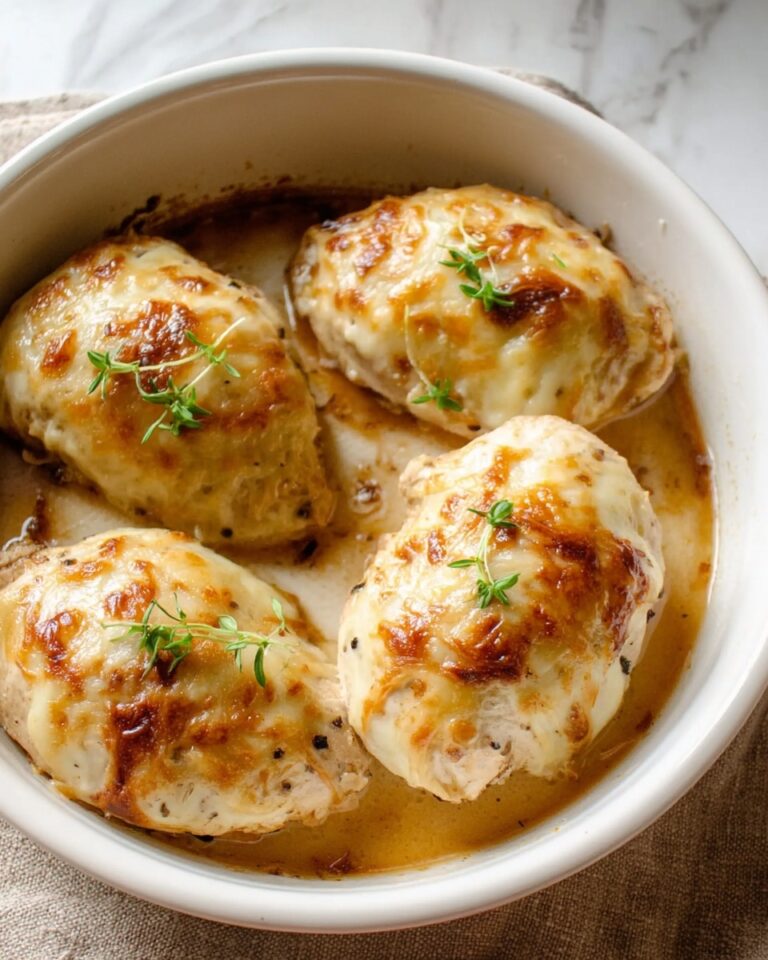
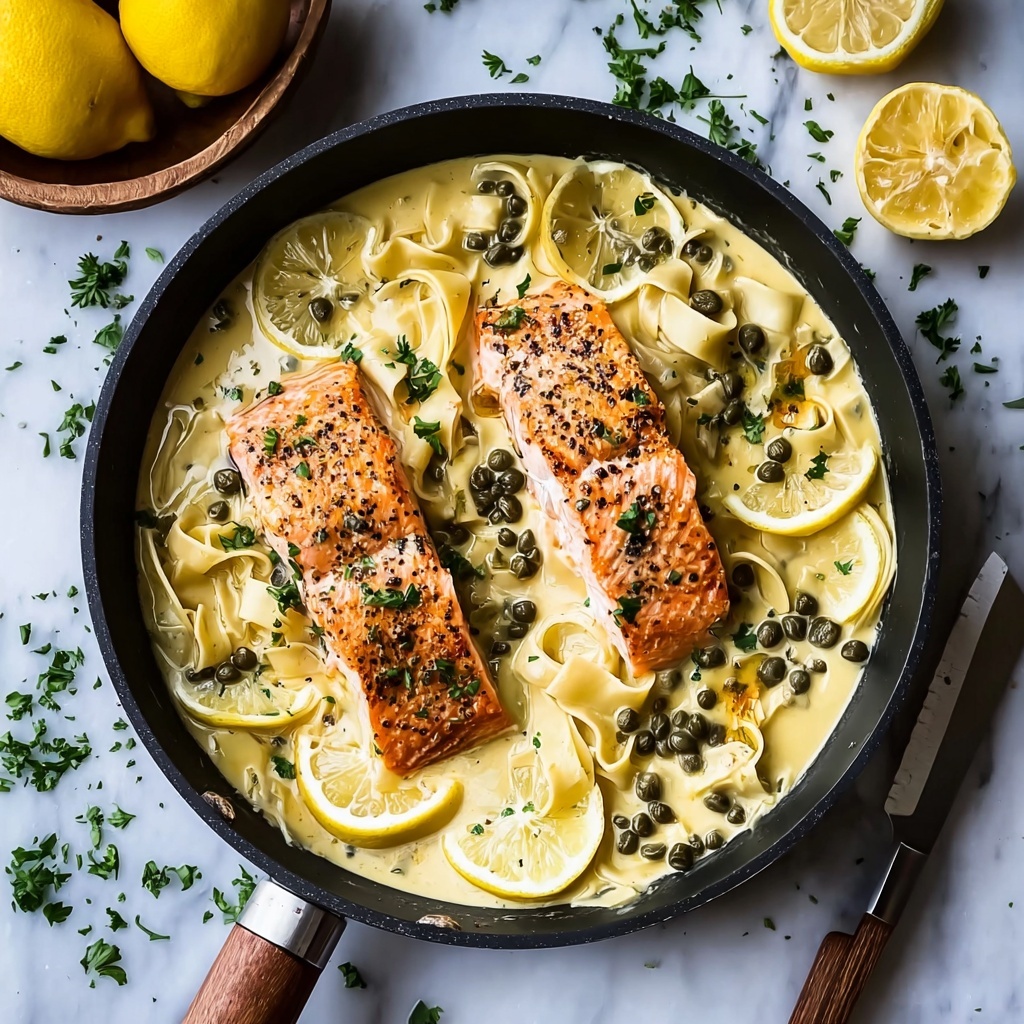
If you’ve been searching for a dinner that feels fancy yet comes together effortlessly, this Creamy Salmon Piccata with Lemon and Capers Recipe is the one to try. It wonderfully balances the luscious creaminess of a velvety sauce with the bright, zesty punch of lemon and the salty tang of capers, all enveloping perfectly seared salmon fillets. Every bite offers a delightful harmony of flavors and textures, making it an absolute favorite for weeknight meals or special occasions alike.
Ingredients You’ll Need
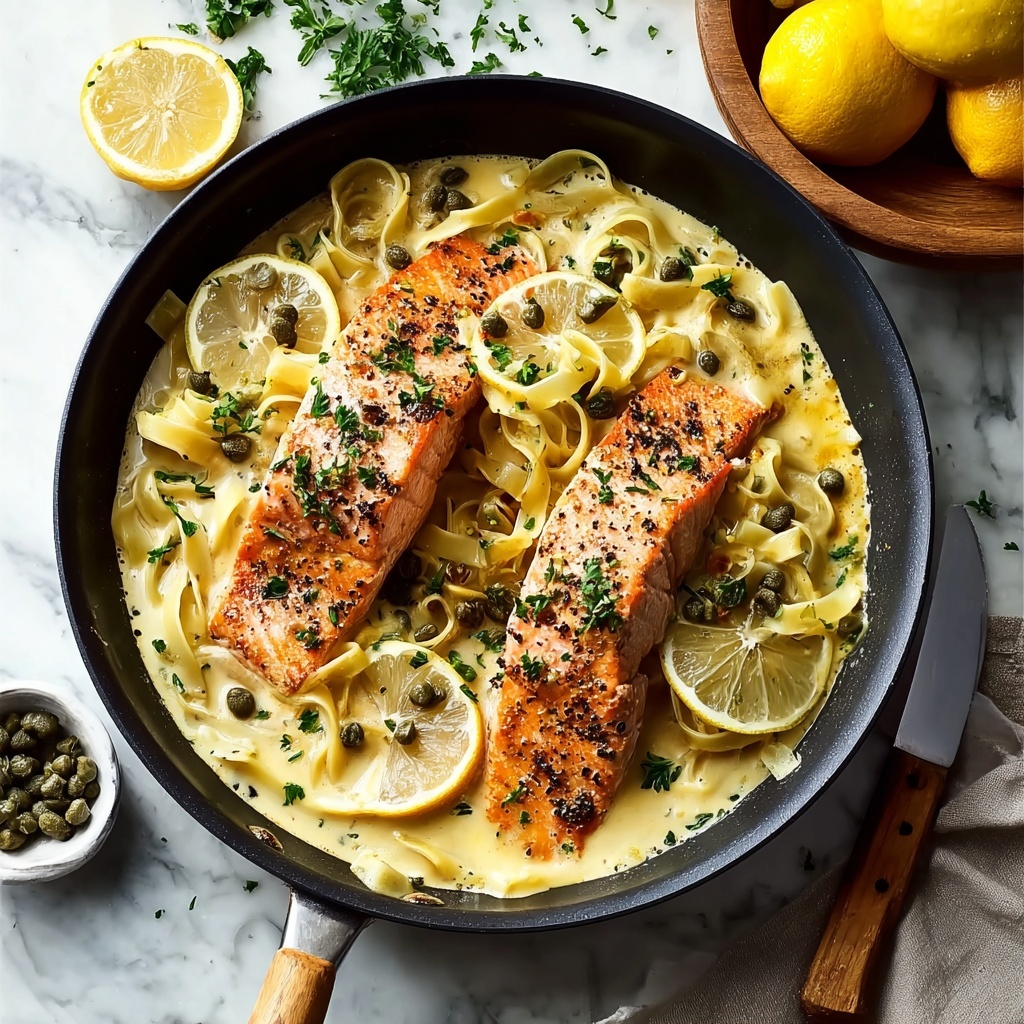
Everything about this Creamy Salmon Piccata with Lemon and Capers Recipe shines because of its simple but essential ingredients. Each component plays a vital role: the salmon is rich and flaky, the lemon juice adds brightness, capers bring a delightful briny note, and the creamy sauce rounds everything out with comforting smoothness.
- Salmon fillets (4): Fresh or thawed, choose skinless if you prefer, to get that perfect golden crust.
- Olive oil (2 tablespoons): For searing the salmon with a lovely crispy exterior.
- Salt (1 teaspoon): Enhances all the flavors and seasons the fish beautifully.
- Black pepper (½ teaspoon): Adds a mild kick and depth to the seasoning.
- All-purpose flour (¼ cup): Helps create a light crust on the salmon and thickens the sauce slightly.
- Chicken broth (½ cup): Forms the savory base of the sauce and helps deglaze the pan.
- Heavy cream (½ cup): Gives that rich, velvety texture to the sauce that makes this dish so indulgent.
- Fresh lemon juice (¼ cup): Brings a bright, refreshing tang that balances the creaminess perfectly.
- Capers (1 tablespoon): Add a burst of briny, salty flavor that’s signature to piccata dishes.
- Garlic (2 cloves, minced): Infuses the sauce with savory warmth.
- Fresh parsley (1 tablespoon, chopped): Provides a pop of color and fresh herbal notes as garnish.
- Unsalted butter (1 tablespoon): Smooths out the sauce and adds luxurious richness at the end.
How to Make Creamy Salmon Piccata with Lemon and Capers Recipe
Step 1: Prepare the Pan and Salmon
Start by heating a large skillet over medium-high heat so it’s nice and hot before adding the olive oil. This sets you up for a beautifully seared crust. Season the salmon fillets on both sides with salt and black pepper to bring out their natural flavors.
Step 2: Dredge and Sear the Salmon
Lightly dredge each fillet in flour, shaking off any excess for that just-right coating. The flour helps the salmon develop a golden-brown crust and adds a slight thickness when combined with the sauce later. Place the fillets carefully in the sizzling skillet and cook for 4 to 5 minutes on each side until they’re beautifully browned and cooked through.
Step 3: Set Salmon Aside and Start the Sauce
Transfer the cooked salmon to a plate and keep it warm. Using the same skillet adds incredible flavor as you sauté minced garlic for about 30 seconds until fragrant, waking up your senses for what’s next.
Step 4: Deglaze and Simmer the Sauce
Pour in the chicken broth and gently scrape up any browned bits stuck to the pan’s bottom—this is where magic happens! Let the broth simmer down for 2 to 3 minutes to concentrate those flavors before stirring in the heavy cream, fresh lemon juice, and capers.
Step 5: Finish the Sauce with Butter
Bring this mixture to a simmer, allowing the sauce to thicken up slightly over 2 to 3 minutes. Then, stir in the unsalted butter until it melts completely, transforming the sauce into a velvety, smooth masterpiece.
Step 6: Reunite Salmon and Sauce
Return the salmon fillets to the skillet and gently spoon the sauce over them. Let everything cook together for an additional 2 minutes so the fish absorbs some of that luscious sauce while warming through.
Step 7: Garnish and Serve
Sprinkle chopped fresh parsley over the top, adding a burst of color and a fresh herbal note that complements every flavor beautifully. Serve immediately while it’s warm and inviting, spooning extra sauce as desired for an unforgettable meal.
How to Serve Creamy Salmon Piccata with Lemon and Capers Recipe
Garnishes
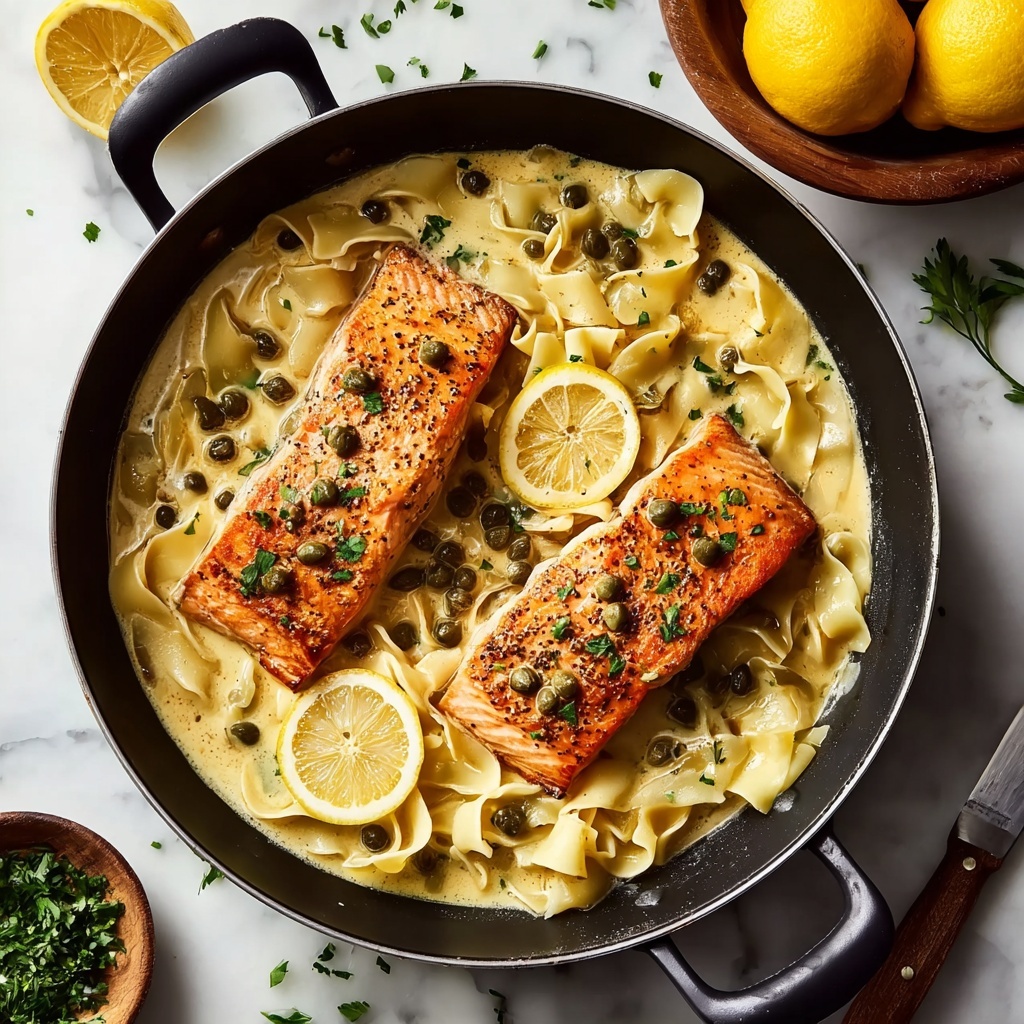
A sprinkle of fresh parsley is classic, but you can also add thin lemon slices or a tiny handful of extra capers on top to amplify the dish’s vibrant look and flavor. If you love a touch of heat, a pinch of red pepper flakes can be a surprising and delightful addition.
Side Dishes
This recipe pairs beautifully with simple sides that soak up the sauce, like buttery mashed potatoes, creamy polenta, or even a fluffy bed of white rice. For a lighter option, try sautéed green beans or a crisp mixed greens salad with a lemon vinaigrette to echo the citrus notes.
Creative Ways to Present
For an elegant presentation, serve each salmon fillet nestled on a platter with the sauce artistically drizzled around it and garnished with edible flowers or microgreens. It’s a surefire way to impress guests and elevate this already delicious Creamy Salmon Piccata with Lemon and Capers Recipe.
Make Ahead and Storage
Storing Leftovers
Store any leftover salmon piccata in an airtight container in the refrigerator for up to 2 days. The flavors meld nicely overnight, making for a speedy, satisfying meal the next day.
Freezing
While the creamy texture is best fresh, you can freeze the cooked salmon (without sauce) wrapped tightly in plastic wrap and foil for up to 1 month. Thaw overnight in the fridge before reheating and preparing a fresh batch of sauce.
Reheating
Gently reheat leftovers in a skillet over low heat, adding a splash of broth or cream to refresh the sauce consistency. Avoid the microwave to keep the salmon flaky and prevent overcooking.
FAQs
Can I use frozen salmon for this recipe?
Absolutely! Just make sure to thaw the salmon completely and pat it dry before cooking to ensure you get that lovely sear and crispy crust that makes this dish so special.
Is there a substitute for chicken broth?
Yes, vegetable broth works well as a vegetarian-friendly alternative and still adds plenty of savory depth to the sauce without overpowering the delicate salmon.
Can I make this recipe dairy-free?
To make it dairy-free, swap the heavy cream for coconut cream and replace butter with olive oil or a dairy-free margarine. The sauce will still be rich and delicious with a subtle twist.
How can I tell when the salmon is cooked perfectly?
The salmon is done when it flakes easily with a fork but still looks moist and tender inside. Typically, 4 to 5 minutes per side on medium-high heat does the trick for average fillet thickness.
Can I use other fish instead of salmon?
Definitely! This piccata style sauce works beautifully with other firm, flaky fish like cod, halibut, or sea bass. Just adjust cooking times accordingly to avoid overcooking.
Final Thoughts
You really can’t go wrong with this Creamy Salmon Piccata with Lemon and Capers Recipe. It’s such a wonderful combination of accessible ingredients and impressive flavors that comes together quickly and keeps everyone asking for seconds. Give it a try, and I promise it will become a beloved staple in your recipe rotation!
Print
Creamy Salmon Piccata with Lemon and Capers Recipe
- Prep Time: 0h 15m
- Cook Time: 0h 20m
- Total Time: 0h 35m
- Yield: 4 servings
- Category: Main Course
- Method: Stovetop
- Cuisine: American
Description
Creamy Salmon Piccata with Lemon and Capers is a delightful and elegant skillet-cooked dish featuring tender salmon fillets coated in a light flour crust, seared to golden perfection, and topped with a luscious, tangy sauce made from fresh lemon juice, capers, garlic, chicken broth, and creamy heavy cream. This recipe combines vibrant flavors and creamy textures for a quick and satisfying meal ideal for weeknight dinners or special occasions.
Ingredients
Salmon
- 4 salmon fillets
- 2 tablespoons olive oil
- 1 teaspoon salt
- 1/2 teaspoon black pepper
- 1/4 cup all-purpose flour
Sauce
- 1/2 cup chicken broth
- 1/2 cup heavy cream
- 1/4 cup fresh lemon juice
- 1 tablespoon capers
- 2 cloves garlic, minced
- 1 tablespoon unsalted butter
- 1 tablespoon fresh parsley, chopped
Instructions
- Heat Skillet: Heat a large skillet over medium-high heat to prepare for searing the salmon fillets.
- Heat Olive Oil: Add the olive oil to the skillet and allow it to heat for about a minute until shimmering.
- Season Salmon: Season each salmon fillet evenly on both sides with salt and black pepper.
- Dredge in Flour: Coat each salmon fillet lightly with all-purpose flour, shaking off any excess to prevent clumping.
- Sear Salmon: Place the flour-coated salmon fillets in the hot skillet and cook for 4 to 5 minutes on each side until they are golden brown and cooked through.
- Remove Salmon: Transfer the cooked salmon fillets to a plate and set aside to keep warm.
- Sauté Garlic: Using the same skillet, add minced garlic and sauté for about 30 seconds until fragrant, being careful not to burn it.
- Add Broth and Deglaze: Pour in the chicken broth and scrape the bottom of the skillet with a wooden spoon to release all browned bits, enhancing the flavor.
- Simmer Broth: Let the broth simmer for 2 to 3 minutes to reduce slightly and concentrate the flavors.
- Add Cream, Lemon Juice, and Capers: Stir in the heavy cream, fresh lemon juice, and capers to create the piccata sauce.
- Thicken Sauce: Bring the sauce to a simmer and cook for another 2 to 3 minutes until it thickens slightly.
- Finish Sauce with Butter: Add unsalted butter to the skillet and stir until melted and sauce becomes smooth and glossy.
- Return Salmon to Skillet: Place the salmon fillets back into the skillet and spoon the sauce over them to coat generously.
- Reheat and Infuse: Cook the salmon in the sauce for an additional 2 minutes to reheat and allow flavor absorption.
- Garnish: Sprinkle fresh chopped parsley over the salmon fillets for a burst of color and freshness.
- Serve: Serve the creamy salmon piccata immediately, spooning extra sauce over the fillets for maximum flavor.
Notes
- Use fresh lemon juice for the best tangy flavor in the sauce.
- Pat salmon dry before seasoning and flouring to ensure a crisp crust.
- Do not overcrowd the skillet when searing the salmon to achieve even cooking.
- If preferred, substitute chicken broth with vegetable broth for a lighter taste.
- This dish pairs beautifully with rice, mashed potatoes, or steamed vegetables.
- For a dairy-free version, substitute heavy cream and butter with coconut cream and a plant-based butter alternative.