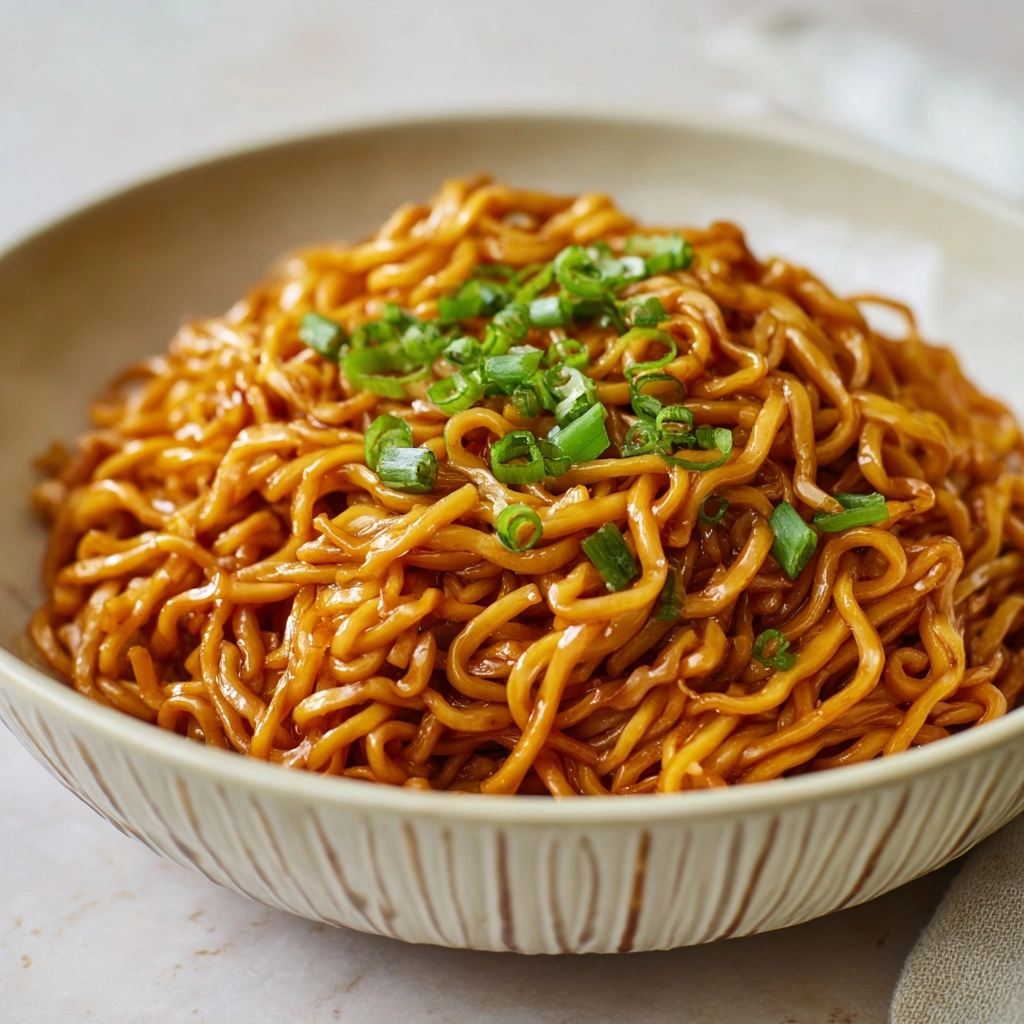
If you have been dreaming of the delightful flavors from a Japanese steakhouse right in your own kitchen, this Hibachi Noodles Recipe is exactly what you need. These noodles are a perfect harmony of buttery richness, savory sauces, and a hint of sweetness, all wrapped up in those perfectly cooked strands that have just the right amount of chew. Whether you want a vibrant side dish or a stand-alone meal, the combination delivers a satisfying comfort with a touch of elegance, making it one of my all-time favorites to whip up fast on busy nights or special dinners alike.
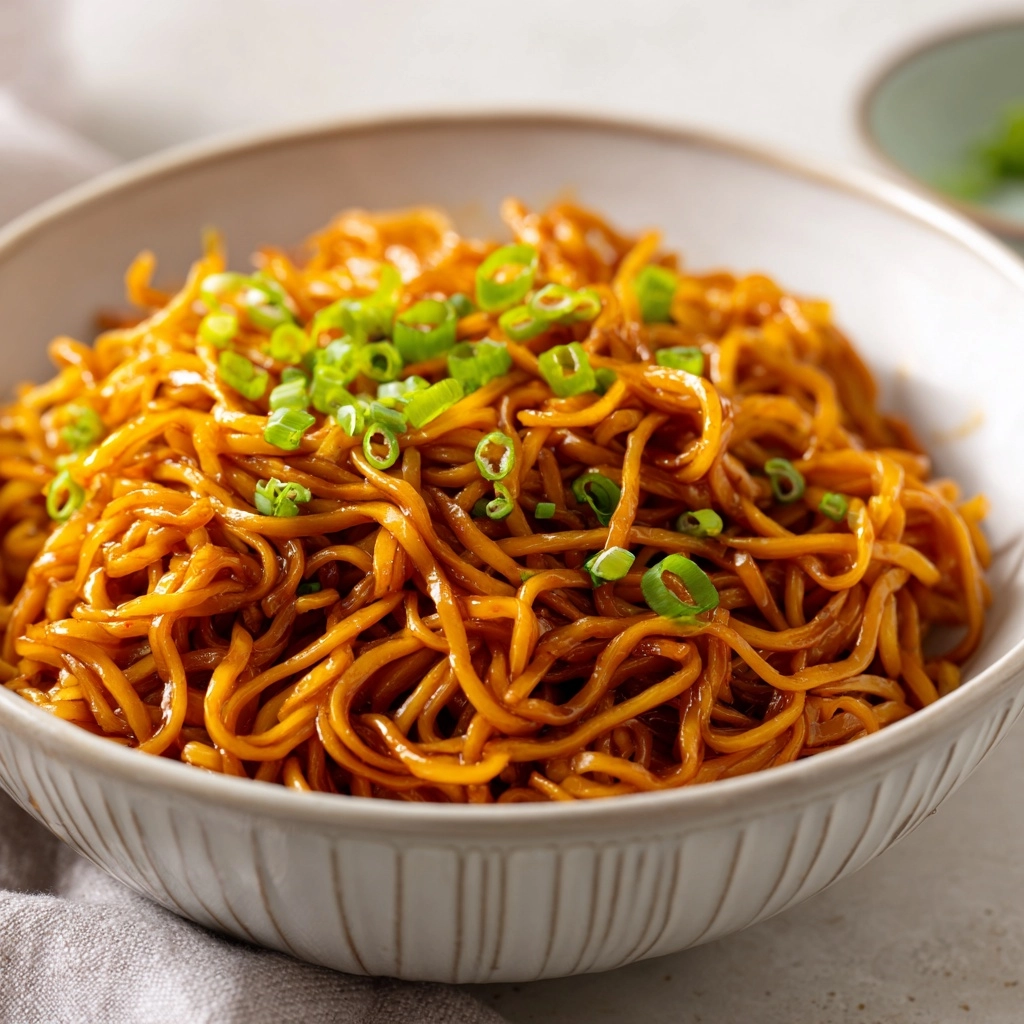
Ingredients You’ll Need
Gathering a few simple but essential ingredients is all it takes to make this Hibachi Noodles Recipe come alive. Each component plays a key role, from the buttery base to the array of sauces and seasonings that build layers of flavor and the fresh green onions that add a pop of color and brightness.
- 12 ounces yakisoba noodles (or linguine/spaghetti): The foundation for your dish, these noodles provide the perfect texture when cooked al dente.
- 2 tablespoons unsalted butter: Adds richness and helps create that classic hibachi gloss.
- 3 cloves garlic minced: Fresh garlic infuses the dish with warmth and aroma.
- 3 tablespoons soy sauce: The salty and savory cornerstone of the flavor profile.
- 1 tablespoon teriyaki sauce: Brings a gentle sweetness and depth to the sauce blend.
- 1 tablespoon oyster sauce: Adds a subtle umami punch; vegetarian versions can opt for plant-based alternatives.
- 1 tablespoon mirin or rice vinegar: Balances the richness with a light tang.
- 1 teaspoon sugar: Rounds out the flavors with a touch of sweetness.
- 1/2 teaspoon sesame oil: Provides a lovely nutty aroma and final touch of flavor.
- 1/4 teaspoon black pepper: Just enough to add gentle heat and complexity.
- 2 green onions sliced: For freshness and a vibrant finish.
- Optional garnish: sesame seeds: Adds crunch and a subtle nutty accent when sprinkled on top.
How to Make Hibachi Noodles Recipe
Step 1: Cook the Noodles
Start by cooking the yakisoba noodles according to the package instructions until they’re just al dente. This texture is crucial because it ensures the noodles hold up well during stir-frying without becoming mushy. Once cooked, drain them well and set aside so they are ready for the sauce and seasoning.
Step 2: Prepare the Sauce Base
In a large skillet or wok heated to medium-high, melt the unsalted butter. The butter creates a foundation that carries all of the sauce ingredients beautifully. Add the minced garlic and cook for about 30 seconds until fragrant—this releases that wonderful garlicky aroma that signals your meal is on its way.
Step 3: Combine Sauces and Seasonings
Next, stir in the soy sauce, teriyaki sauce, oyster sauce, mirin or rice vinegar, sugar, sesame oil, and black pepper. This combination is what really transforms simple noodles into the savory and slightly sweet flavors we associate with hibachi dishes. Make sure everything is well mixed so the flavors meld together perfectly.
Step 4: Toss and Finish the Noodles
Add the drained noodles to the skillet and toss them thoroughly in the sauce, ensuring each strand is evenly coated and glossy. Cook for another 2 to 3 minutes, stirring frequently to heat through and allow the noodles to soak up all those delicious flavors. It’s the moment where everything comes together.
Step 5: Garnish and Serve
Remove the skillet from heat and toss the noodles with the sliced green onions. If you like, sprinkle with sesame seeds for additional texture and a nutty note. Your Hibachi Noodles Recipe is now ready to delight your palate.
How to Serve Hibachi Noodles Recipe
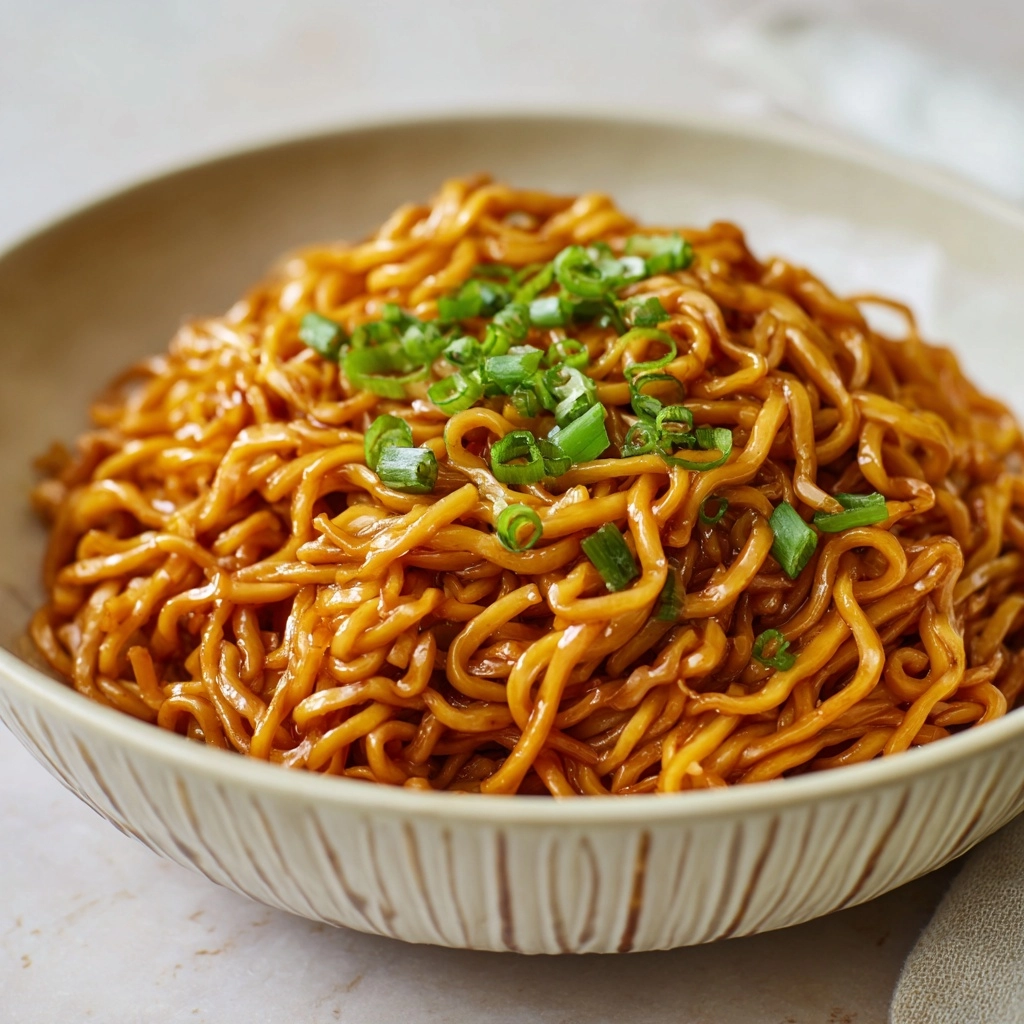
Garnishes
A sprinkle of sliced green onions always brightens this dish, providing a fresh crunch amid the savory noodles. Sesame seeds are a lovely finishing touch that add subtle nuttiness and a pop of texture. For an extra burst of color and flavor, you could also add thinly sliced red chili or a drizzle of spicy mayo for those who enjoy a bit of heat.
Side Dishes
This Hibachi Noodles Recipe pairs wonderfully with grilled hibachi chicken, succulent steak, or juicy shrimp. Vegetables like sautéed mushrooms, crisp bean sprouts, or steamed broccoli complement the noodles beautifully for a balanced and satisfying meal. It also works well with simple miso soup and a side of pickled ginger to complete that authentic Japanese steakhouse experience.
Creative Ways to Present
For a fun presentation, serve the noodles in a shallow bowl topped with extra green onions and sesame seeds. You can also turn this into a hibachi-style feast by plating the noodles alongside a sizzling stir-fried protein and vegetables on a heated platter to keep everything warm and inviting. Another great idea is to wrap the noodles and protein in crisp lettuce cups for a hands-on fusion twist everyone will love.
Make Ahead and Storage
Storing Leftovers
If you have any leftovers from this Hibachi Noodles Recipe, store them in an airtight container in the refrigerator. They will stay fresh for up to 3 days. When storing, it’s a good idea to keep the garnish separate so it stays crisp and fresh when added later.
Freezing
Although these noodles are best enjoyed fresh, you can freeze them for up to one month. Cool completely before freezing and portion into freezer-safe containers. When frozen, the texture may change slightly, but reheating gently can help restore much of the original flavor and mouthfeel.
Reheating
For reheating, the best method is to warm the noodles gently in a skillet with a splash of water or broth over medium heat. This helps prevent drying out and keeps the noodles soft and glossy. Microwave reheating works too, but stirring halfway through helps maintain even warmth. Be sure to add fresh green onions or sesame seeds after reheating for that perfect finishing touch.
FAQs
Can I use other types of noodles for the Hibachi Noodles Recipe?
Absolutely! While yakisoba noodles are traditional and offer a great texture, linguine or spaghetti works just as well if you can’t find yakisoba. The key is to cook them al dente so they hold their shape and absorb the sauce without becoming mushy.
Is this Hibachi Noodles Recipe vegetarian?
The recipe can be vegetarian if you choose a vegetarian-friendly oyster sauce or simply omit it. The combination of soy, teriyaki, and mirin still creates a deeply satisfying flavor, and the noodles themselves contain no animal products if you select the right brands.
Can I add vegetables or proteins to the Hibachi Noodles?
Definitely! Sautéed mushrooms, bean sprouts, bell peppers, or snap peas all make excellent veggie additions. For protein, add cooked hibachi chicken, shrimp, or steak to turn this into a heartier meal. Just toss them in during the last few minutes of cooking to warm through.
What if I don’t have mirin; can I substitute it?
Yes, if you don’t have mirin, rice vinegar is a great substitute, adding a similar tangy balance. You could also mix a small amount of sugar with white wine or sake to replicate the sweet acidity of mirin.
How long does it take to prepare this Hibachi Noodles Recipe?
This recipe is wonderful for quick meals, coming together in about 25 minutes total—just 10 minutes of prep and 15 minutes cooking. Perfect when you want restaurant-quality noodles without the wait.
Final Thoughts
This Hibachi Noodles Recipe is a beautiful way to capture the essence of Japanese steakhouse noodles right from your own stove. Its wonderful blend of buttery, savory, and subtly sweet flavors makes every bite feel like a celebration. I can’t recommend it enough for a quick dinner that feels special, so gather your ingredients and give it a try—you’ll be hooked from the very first forkful!
Print
Hibachi Noodles Recipe
- Prep Time: 10 minutes
- Cook Time: 15 minutes
- Total Time: 25 minutes
- Yield: 4 servings
- Category: Side Dish, Main Course
- Method: Stir-Frying
- Cuisine: Japanese-Inspired
- Diet: Vegetarian
Description
A delicious and easy Hibachi Noodles recipe featuring yakisoba noodles tossed in a savory blend of soy, teriyaki, oyster sauce, and garlic, garnished with green onions and sesame seeds. Perfect as a side or main dish inspired by Japanese steakhouse flavors.
Ingredients
Noodles and Sauce
- 12 ounces yakisoba noodles (or linguine/spaghetti)
- 2 tablespoons unsalted butter
- 3 cloves garlic, minced
- 3 tablespoons soy sauce
- 1 tablespoon teriyaki sauce
- 1 tablespoon oyster sauce
- 1 tablespoon mirin or rice vinegar
- 1 teaspoon sugar
- 1/2 teaspoon sesame oil
- 1/4 teaspoon black pepper
Garnish
- 2 green onions, sliced
- Optional: sesame seeds
Instructions
- Cook Noodles: Cook the noodles according to package directions until al dente, then drain thoroughly and set aside to prevent overcooking.
- Heat Butter and Garlic: In a large skillet or wok, melt the unsalted butter over medium-high heat. Add the minced garlic and cook for about 30 seconds until fragrant, taking care not to burn it.
- Prepare Sauce: Stir in the soy sauce, teriyaki sauce, oyster sauce, mirin or rice vinegar, sugar, sesame oil, and black pepper into the skillet, mixing well to combine all flavors.
- Toss Noodles: Add the drained noodles to the skillet and toss thoroughly to coat evenly with the sauce. Cook for 2 to 3 minutes until noodles are heated through and have a glossy appearance.
- Garnish and Serve: Remove from heat, garnish with sliced green onions and optional sesame seeds, then serve immediately.
Notes
- These noodles make a great side for hibachi chicken, steak, or shrimp.
- For extra flavor, add sautéed mushrooms or bean sprouts during the cooking process.
- Use vegetarian oyster sauce to make this dish vegetarian-friendly.