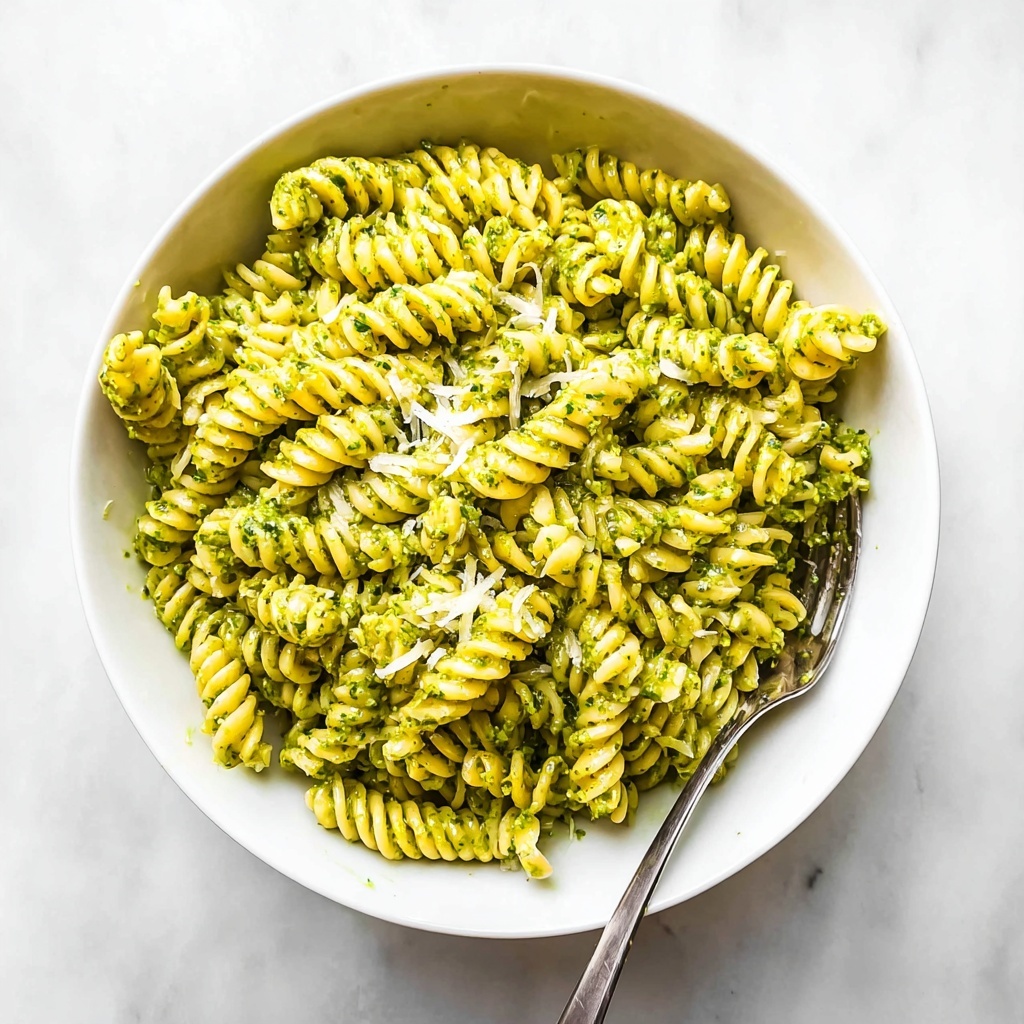
If you haven’t yet had the pleasure of tasting ramps in your pasta, you are in for a real treat. This Ramp Pasta with Basil and Lemon Recipe is a vibrant celebration of fresh, bright flavors that come together effortlessly to create a dish bursting with springtime charm. The garlicky, onion-like zest of ramps paired with aromatic basil and the zesty brightness of lemon make each bite an unforgettable experience. Whether you’re looking to impress guests or just elevate your weeknight dinner, this recipe is absolutely worth trying right now.
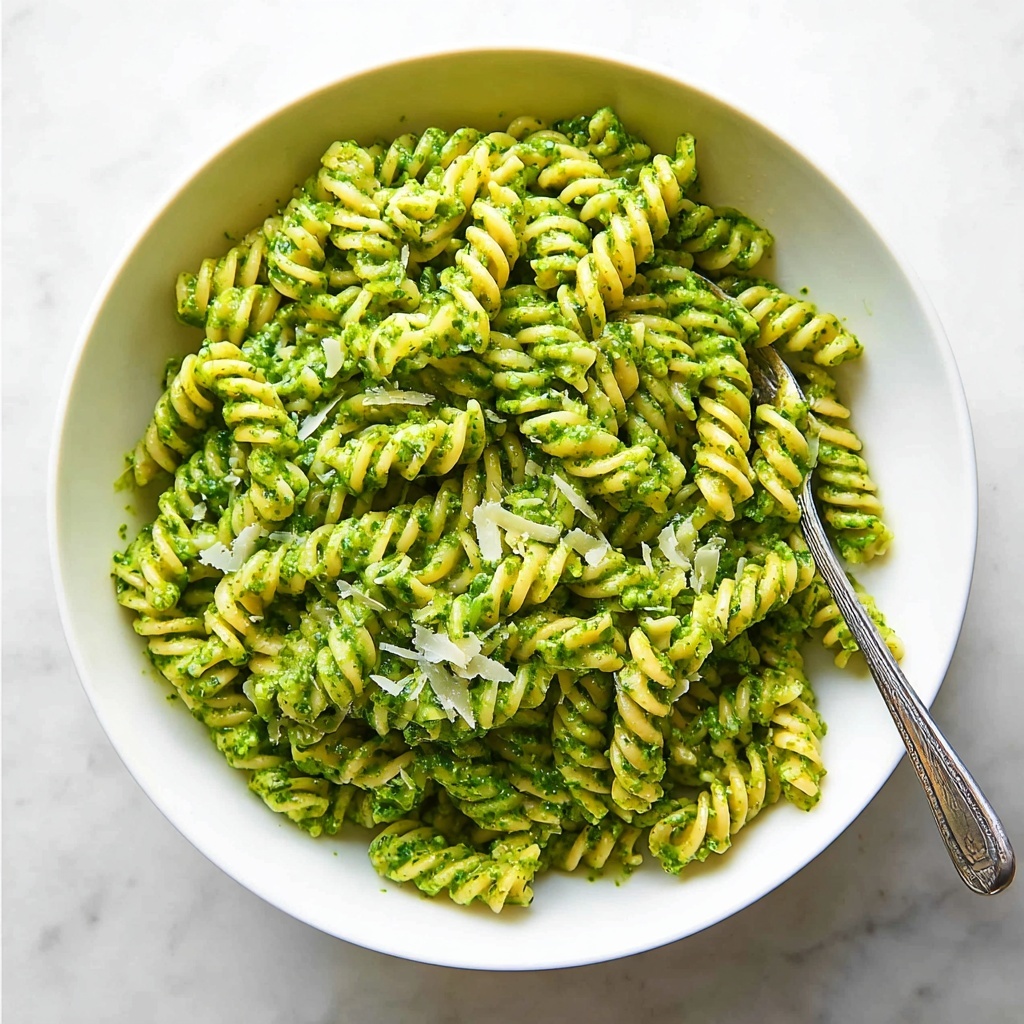
Ingredients You’ll Need
The magic of this Ramp Pasta with Basil and Lemon Recipe lies in its simplicity. Each ingredient plays a vital role, adding unique layers of flavor, texture, and color to the final dish. From the nuttiness of toasted pine nuts to the fresh sharpness of lemon zest, these essentials come together in perfect harmony.
- 1 pound chunky pasta (like fusilli, penne, or rigatoni): Choose a pasta with ridges or tubes to help the sauce cling beautifully.
- ¼ cup pine nuts: Toasted to golden perfection for a subtle crunch and buttery flavor.
- 1 bunch of ramps: The star ingredient, offering a unique garlicky-onion flavor that is simply irresistible when cooked gently.
- ½ cup extra virgin olive oil: Adds richness and silkiness, balancing the acidity of the lemon.
- 1 cup packed fresh basil: Brings fresh, herbaceous notes that brighten the sauce.
- ½ cup grated parmesan cheese: Contributes savory depth and creamy texture.
- ½ teaspoon sea salt: Enhances all the natural flavors without overpowering them.
- Zest of 1 lemon: Offers fragrant citrus oils that elevate every bite.
- 1 tablespoon freshly squeezed lemon juice: Adds lively acidity that wakes up the palate.
How to Make Ramp Pasta with Basil and Lemon Recipe
Step 1: Cook the Pasta
Start by bringing a large pot of salted water to a rolling boil. Cooking your pasta al dente ensures it holds its shape and offers a delightful bite when paired with the ramp sauce. Once cooked, be sure to reserve about ½ cup of the pasta water before draining — this starchy water is the secret to making your sauce silky and cohesive.
Step 2: Toast the Pine Nuts
While the pasta cooks, take a small frying pan and toast the pine nuts over low heat. Watch them carefully and stir frequently so they don’t burn. The gentle toasting releases their rich, buttery aroma and adds a lovely crunch that contrasts perfectly with the tender pasta.
Step 3: Prepare and Cook the Ramps
First, slice the ramp stems away from the leaves. Chop the stems finely and add them to the frying pan, cooking for about 3 minutes over medium heat. This step softens the ramps and mellows their punchy flavor. Then, toss in the ramp leaves and wilt them for 30 seconds just until they soften—this keeps their vibrant green color and keeps the flavors fresh.
Step 4: Blend the Sauce
Now it’s time to combine all the goodness. Into a blender or food processor, add the cooked ramps and pine nuts, olive oil, fresh basil leaves, grated parmesan cheese, sea salt, lemon zest, and freshly squeezed lemon juice. Blend until smooth, about 30 seconds, scraping down the sides as needed. The result will be a flavorful, creamy pesto-like sauce that’s bursting with freshness and springtime vibes.
Step 5: Combine Pasta and Sauce
Finally, return to your pasta pot or a large bowl. Mix the pasta with the ramp sauce and pour in the reserved pasta water a little at a time. This helps loosen the sauce and lets it cling to every nook and cranny of the pasta. Give everything a good stir until fully combined. Serve piping hot and if you love, sprinkle a little more parmesan on top for an extra indulgent touch.
How to Serve Ramp Pasta with Basil and Lemon Recipe
Garnishes
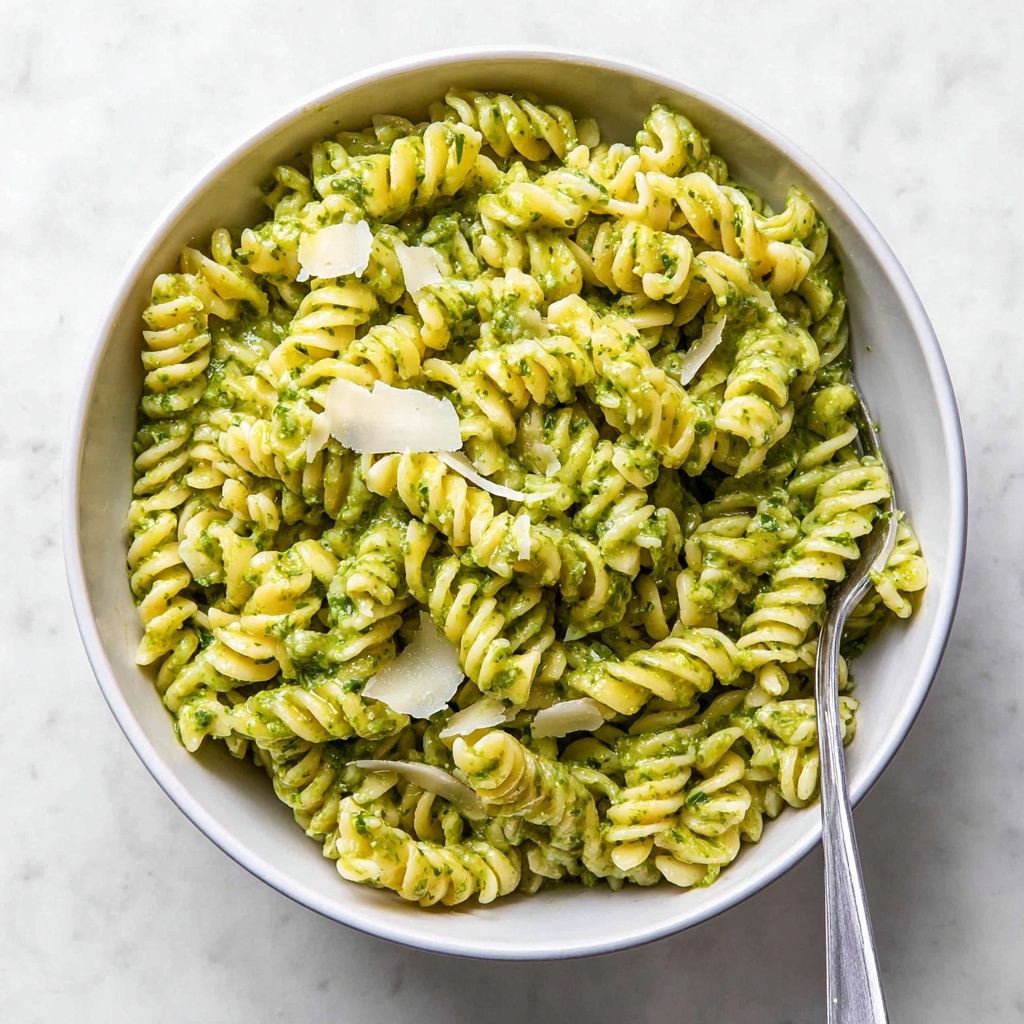
Simple garnishes can elevate this dish effortlessly. A sprinkle of freshly grated parmesan cheese adds creaminess, while a few whole toasted pine nuts scattered on top provide delightful texture. You can also garnish with extra lemon zest or a few basil leaves to enhance the dish’s fresh and vibrant appearance.
Side Dishes
This Ramp Pasta with Basil and Lemon Recipe shines on its own, but pairing it with a bright green salad tossed in a light vinaigrette is a fantastic complement. Crisp roasted asparagus or a lemony arugula salad can also offer refreshing contrasts that highlight the pasta’s bold flavors without overwhelming them.
Creative Ways to Present
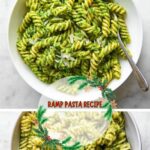
For a special touch, serve the pasta in shallow, wide bowls that showcase the beautifully coated pasta and vibrant green sauce. Consider adding edible flowers or a drizzle of extra virgin olive oil on top to make the presentation pop. Whether casual or elegant, this dish is naturally stunning.
Make Ahead and Storage
Storing Leftovers
If you have any leftovers, store them in an airtight container in the refrigerator for up to 2 days. The flavors may meld even more, but the pasta might absorb some sauce, so a splash of water or olive oil added before reheating can help refresh it.
Freezing
This pasta is best enjoyed fresh and does not freeze well because of the fresh herbs and ramps. Freezing may dull the vibrant flavors and alter the texture of the sauce. For optimal taste, prepare the dish with fresh ingredients.
Reheating
When reheating, warm the pasta gently in a skillet over low heat. Add a splash of pasta water or olive oil to loosen the sauce and prevent sticking. Avoid microwaving if possible, as gentle reheating preserves the texture and freshness best.
FAQs
What are ramps and where can I find them?
Ramps are wild leeks with a strong, garlicky-onion flavor, available seasonally in spring. Check farmers’ markets or specialty grocery stores during their short season, or consider foraging them if it’s safe and legal in your area.
Can I substitute ramps if I can’t find them?
If ramps aren’t available, you can swap with a small amount of green garlic or a mix of scallions and garlic. Though it won’t be the exact same flavor, it will provide a similar fresh, garlicky note.
What pasta shapes work best for this recipe?
Chunky and ridged pastas like fusilli, penne, rigatoni, or orecchiette are ideal because they catch the sauce well, ensuring every bite is flavorful.
Is this recipe suitable for vegans?
The recipe features parmesan cheese, which is not vegan. To make it vegan, substitute the cheese with a plant-based alternative or nutritional yeast for a cheesy flavor without dairy.
Can I make this Ramp Pasta with Basil and Lemon Recipe ahead of time?
You can prepare the ramp sauce a few hours in advance and store it in the refrigerator, but it’s best to toss the pasta with the sauce just before serving to preserve the bright flavors and fresh texture.
Final Thoughts
This Ramp Pasta with Basil and Lemon Recipe is a delightful celebration of fresh, vibrant ingredients that come together so beautifully. It’s perfect for those moments when you want to relax and savor something truly special yet effortless. Give it a try and enjoy the wonderful flavors and festive feelings this pasta brings to your table—it might just become a favorite in your kitchen too!
Print
Ramp Pasta with Basil and Lemon Recipe
- Prep Time: 15 minutes
- Cook Time: 15 minutes
- Total Time: 30 minutes
- Yield: 4 servings
- Category: Main Course
- Method: Stovetop
- Cuisine: Italian
- Diet: Vegetarian
Description
This Ramp Pasta recipe is a vibrant and flavorful spring dish featuring a unique pesto made from wild ramps, pine nuts, fresh basil, and lemon. The sauce is blended to a creamy texture and tossed with perfectly cooked chunky pasta for a refreshing and aromatic meal perfect for ramp season.
Ingredients
Pasta
- 1 pound chunky pasta (such as fusilli, penne, or rigatoni)
Ramp Sauce
- ¼ cup pine nuts
- 1 bunch of ramps
- ½ cup extra virgin olive oil
- 1 cup packed fresh basil
- ½ cup grated parmesan cheese
- ½ teaspoon sea salt
- Zest of 1 lemon
- 1 tablespoon freshly squeezed lemon juice
- 1 clove garlic
Optional Topping
- Grated parmesan cheese
Instructions
- Cook the pasta: Bring a large pot of salted water to a rolling boil over high heat. Add the chunky pasta and cook according to the package instructions until al dente. Reserve ½ cup of the pasta cooking water, then drain the pasta and set aside.
- Toast the pine nuts: While the pasta cooks, heat a small frying pan over low heat. Add the pine nuts and toast gently, stirring frequently, until they turn golden brown and become fragrant. Remove from heat.
- Cook the ramps: Remove and discard the ramp stems from the leaves. Finely chop the ramp stems and add them to the frying pan used for pine nuts. Cook over medium heat for about 3 minutes until softened. Add the ramp leaves and cook just until wilted, about 30 seconds. Remove from heat.
- Prepare the ramp sauce: Transfer the cooked ramps and pine nuts to a blender or food processor. Add the olive oil, fresh basil, grated parmesan cheese, garlic, sea salt, lemon zest, and lemon juice. Blend for about 30 seconds until the sauce is smooth and creamy, scraping down the sides as needed.
- Toss pasta with ramp sauce: Combine the ramp sauce with the reserved pasta water and cooked pasta. Stir thoroughly to ensure the pasta is coated evenly with the sauce. Serve immediately, topped with optional grated parmesan cheese for extra flavor.
Notes
- Ramps have a short season in early spring; fresh ramps work best for this recipe.
- If ramps are unavailable, you can substitute with a combination of garlic and green onions, though the flavor will differ.
- Toast pine nuts carefully over low heat to avoid burning and bitterness.
- The reserved pasta water helps loosen the sauce and helps it adhere better to the pasta.
- For a nut-free version, you can omit pine nuts but expect a different texture and flavor.