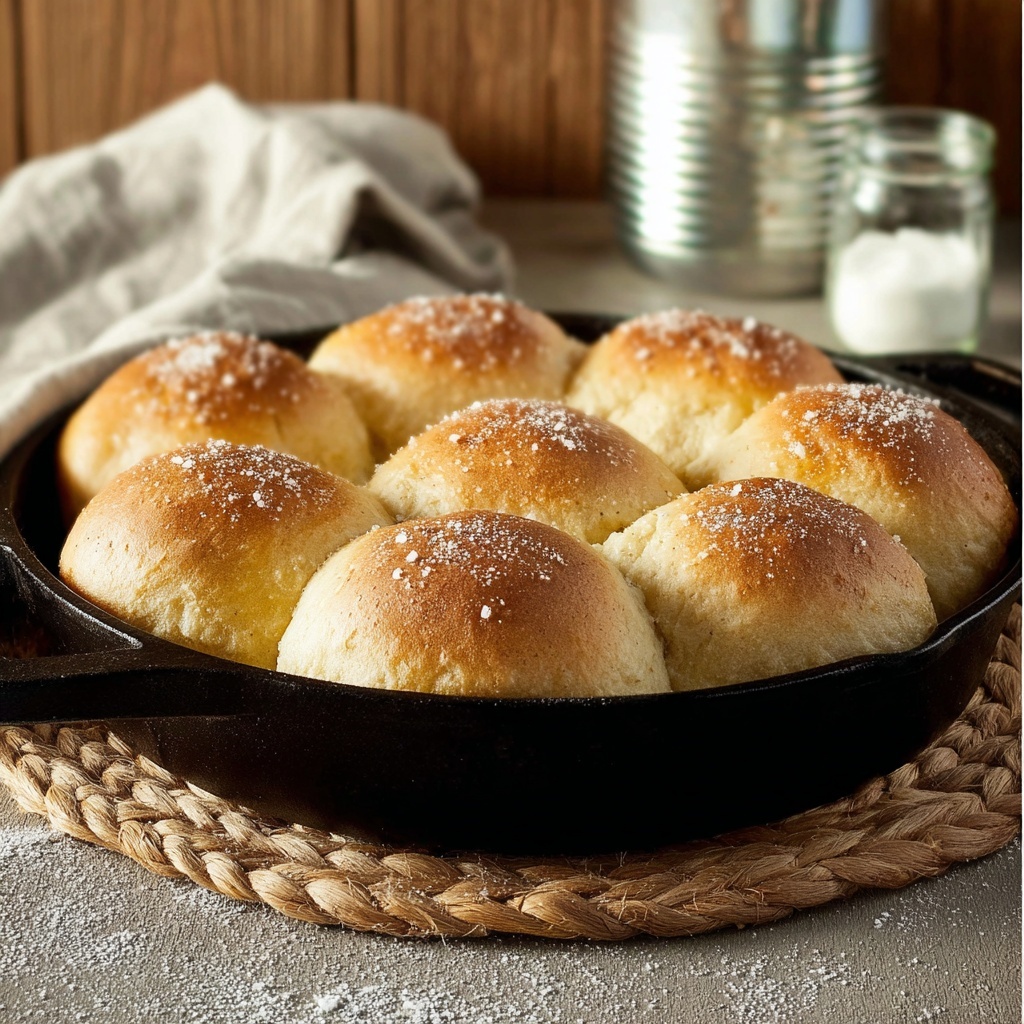
If you have a soft spot for warm, fluffy bread with an irresistible tropical twist, then you absolutely must try this Samoan Coconut Rolls Recipe. These rolls combine the creaminess of coconut milk with a tender crumb that’s subtly sweet and just buttery enough to keep you coming back for more. Whether you’re serving them for breakfast, alongside a savory meal, or just as a snack, these rolls bring a little island magic to your home kitchen in the most delightful way.
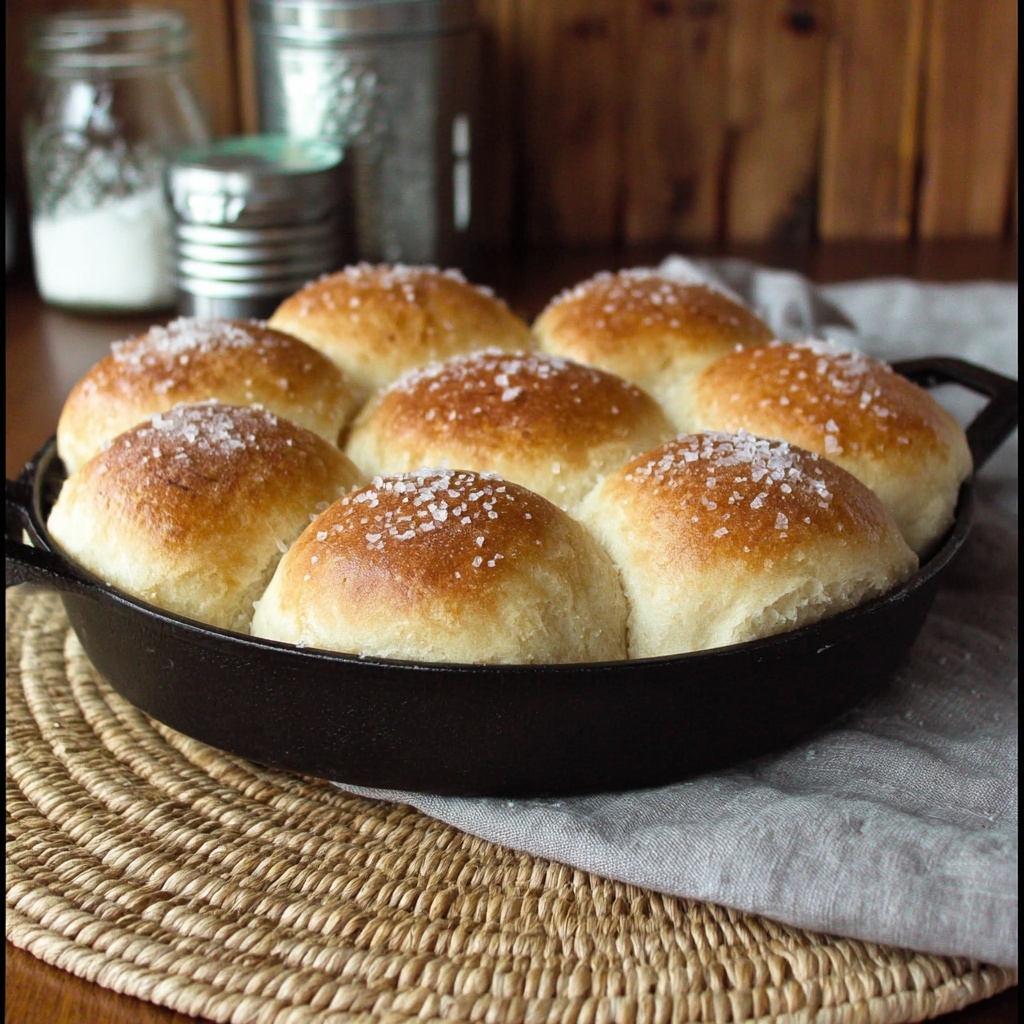
Ingredients You’ll Need
The simplicity of this Samoan Coconut Rolls Recipe is part of its charm. With just a handful of pantry staples plus coconut milk and butter, each ingredient plays a crucial role in building those fluffy, rich rolls you’ll love biting into.
- Active dry yeast (1 tablespoon): The essential leavening agent that makes your rolls soft and airy.
- Warm water (3 tablespoons, 105°F-115°F): Activates the yeast without overheating or killing it.
- Coconut milk (1 14-oz can, divided): Provides that creamy, tropical flavor integral to the recipe—make sure it’s full fat, not light.
- Salted butter (4 tablespoons): Adds richness and a wonderfully smooth texture to the dough.
- Sugar (½ cup): Sweetens delicately, balancing the coconut taste perfectly.
- Salt (½ teaspoon): Enhances all the flavors and keeps things from tasting flat.
- Large egg (1): Binds ingredients together and gives structure to the rolls.
- Powdered milk (¼ cup): Helps with browning and tenderizing the crumb.
- All-purpose flour (3 ½ cups, spooned and leveled): The backbone of the dough, providing just the right structure.
- Optional coarse salt or raw sugar for sprinkling: Adds a delightful finishing touch—choose based on whether you prefer sweet or a hint of savory crunch on top.
How to Make Samoan Coconut Rolls Recipe
Step 1: Activate the Yeast
Start by mixing your active dry yeast with the warm water in a stand mixer bowl or a large bowl. The water should feel warm to the touch but not hot enough to scald the yeast. Give it a gentle stir and then set it aside—this little resting period lets the yeast bubble up, signaling it’s ready to work its magic and bring your dough to life.
Step 2: Prepare the Coconut Milk Mixture
Shake your can of coconut milk well to mix the solids and liquids evenly. Pour one cup of it into a microwave-safe measuring cup, then add the salted butter. Heat just until the butter is halfway melted; this step is crucial for blending the flavors. Stir in the sugar and salt until everything dissolves and the butter fully melts. Let it cool slightly before moving on because you’ll be adding an egg soon—you want to avoid cooking it prematurely.
Step 3: Incorporate the Egg and Powdered Milk
Crack in the egg and whisk it briskly right into the coconut milk mixture to integrate it smoothly without curdling. Follow up by adding the powdered milk and whisk everything until it’s fully combined, giving your dough an extra boost for tenderness and a beautiful golden crust.
Step 4: Combine with Yeast Mixture
Your yeast should be foamy and alive by now. Pour the coconut milk concoction into the yeast bowl, then mix gently by hand or with a dough hook attachment on low speed until the components are just coming together.
Step 5: Add Flour and Knead
Gradually fold in the spooned and leveled flour, combining carefully. The dough will be sticky but not wet—stop adding flour once it no longer sticks excessively to your fingers and clings softly without pulling away completely from the bowl’s sides. Set a timer and knead the dough for 8 minutes, either with your mixer on low or by hand on a lightly floured surface. This develops gluten for a fluffy, structured crumb.
Step 6: First Rise
Place your dough into a greased bowl, turning it to coat all sides lightly. Cover it loosely with a cloth or plastic wrap and let it rest in a warm, draft-free spot for about 1.5 to 2 hours. While it may not fully double, you’ll notice it’s risen nicely and feels airy when pressed.
Step 7: Shape the Rolls
After punching the dough down to release the extra air, divide it into 12 evenly sized portions and shape each into a smooth ball. Arrange the dough balls in a greased round pan or cast iron skillet for a lovely presentation and cozy baking environment. At this stage, you can refrigerate the dough covered for up to 24 hours to enhance the flavor and convenience, just remember to let it warm back up for an hour before baking.
Step 8: Final Rise and Bake
If you’re baking right away, allow the rolls to rise again for 45 minutes to an hour. Preheat the oven to 350°F. Before placing the rolls in the oven, brush their tops generously with the remaining coconut milk and pour the rest evenly over the pan’s base to keep the rolls moist. Sprinkle with sugar or salt according to your preference. Bake them for about 20 to 25 minutes until the tops are beautifully golden brown and smell incredibly inviting.
Step 9: Cooling and Serving
Once out of the oven, give your Samoan Coconut Rolls a few minutes to cool, ensuring they stay soft and don’t crumble when touched. Then get ready to share these amazing rolls with friends or family—the perfect reward after all your effort!
How to Serve Samoan Coconut Rolls Recipe
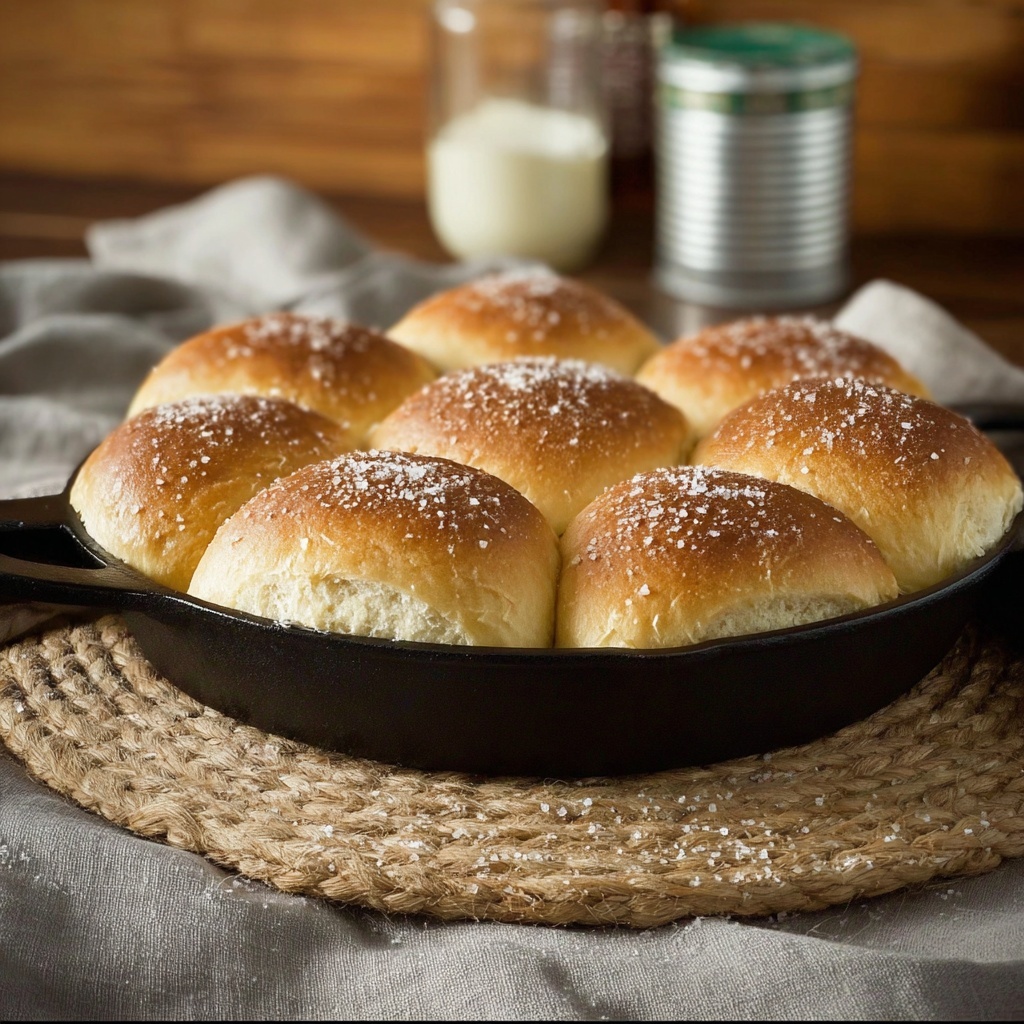
Garnishes
These rolls shine on their own, but a light brush of melted butter or a sprinkle of toasted coconut flakes right before serving can elevate their tropical essence beautifully. For an extra pop of flavor, dust a bit of cinnamon sugar or a thin drizzle of honey on top for a touch of sweetness.
Side Dishes
Pair these rolls with hearty breakfasts like scrambled eggs, mango salsa, or Pacific-inspired grilled meats. They also work wonderfully alongside creamy coconut soup or a bright tropical fruit salad that balances sweet and savory delightfully.
Creative Ways to Present
For a party, slice the rolls horizontally and fill them with coconut jam or tropical fruit preserves for mini sandwiches. Alternatively, serve them in a basket lined with colorful banana leaves for a festive island vibe that will impress your guests. The soft, buttery texture means they can hold both savory and sweet fillings with ease.
Make Ahead and Storage
Storing Leftovers
Keep any leftover rolls in an airtight container at room temperature for up to two days. To keep them fresh longer, wrap them tightly in plastic wrap or foil. They stay soft and moist because of the coconut milk but are best enjoyed soon after baking to capture their freshest flavor and texture.
Freezing
If you’d like to store the Samoan Coconut Rolls Recipe for a longer time, freeze the fully baked rolls once cooled. Wrap them individually or place them in a freezer-safe bag with as much air removed as possible. They freeze well for up to 3 months and thaw quickly at room temperature or in the fridge overnight.
Reheating
To revive the rolls, warm them in a preheated oven at 300°F for about 10 minutes or pop them in the microwave for 20 to 30 seconds. To keep the crust soft, cover them loosely with foil while reheating. Add a dab of butter after warming for that freshly baked experience.
FAQs
Can I use light coconut milk instead of full-fat?
For the best moistness and flavor, full-fat coconut milk is essential in this recipe. Light versions have less fat and water content, which can result in drier rolls that lack the signature richness of Samoan Coconut Rolls Recipe.
Is it possible to make these rolls without a stand mixer?
Absolutely! While a stand mixer makes kneading simpler, you can combine and knead the dough by hand using a strong wooden spoon and then knead it on a floured surface for about 8 minutes. It’s a good workout but totally worth it.
Can I add shredded coconut for extra texture?
Yes, incorporating shredded coconut into the dough or sprinkling it on top before baking adds more tropical notes and a fun texture contrast. Consider lightly toasting the coconut beforehand for an even deeper flavor.
How do I know when the rolls are fully baked?
The crust should be a deep golden brown, and the rolls will feel springy when pressed lightly. An internal temperature of around 190°F indicates they are fully cooked. If the tops brown too fast, cover them loosely with foil to prevent burning while the centers finish baking.
Can I substitute all-purpose flour with gluten-free flour?
Making these rolls gluten-free is challenging because the dough relies on gluten to create its soft, elastic texture. If you want to try, use a gluten-free flour blend designed for baking with added xanthan gum, but be prepared for a slightly different texture.
Final Thoughts
There’s something wonderfully comforting about making Samoan Coconut Rolls Recipe at home. From the warm coconut aroma filling your kitchen to the soft, buttery rolls melting in your mouth, this recipe is a true treasure. I hope you enjoy baking and sharing these delicious rolls as much as I do—they’re a beautiful way to bring a little sunshine and sweetness to any day.
Print
Samoan Coconut Rolls Recipe
- Prep Time: 20 minutes
- Cook Time: 20 minutes
- Total Time: 1 hour 40 minutes (including rises and baking)
- Yield: 12 rolls
- Category: Bread
- Method: Baking
- Cuisine: Samoan
- Diet: Vegetarian
Description
Samoan Coconut Rolls are soft, fluffy, and buttery sweet rolls enriched with the tropical flavor of coconut milk. Perfect for breakfast or as a snack, these rolls have a tender crumb and a lightly sweet taste balanced with a touch of salt. The dough is kneaded and allowed to rise before baking to golden perfection, then brushed with coconut milk for a luscious finish.
Ingredients
Yeast Mixture
- 1 tablespoon active dry yeast (1 package)
- 3 tablespoons warm water (105°F – 115°F)
Wet Ingredients
- 1 14-oz can coconut milk (divided, do not use light)
- 4 tablespoons salted butter (half stick)
- ½ cup sugar
- ½ teaspoon salt
- 1 large egg
- ¼ cup powdered milk (non-fat or other)
Dry Ingredients
- 3 ½ cups all-purpose flour (spooned and leveled, plus extra if needed)
Optional Toppings
- Light sprinkling of coarse salt or raw sugar
Instructions
- Activate Yeast: In a stand mixer bowl or large bowl, combine 1 tablespoon of active dry yeast with 3 tablespoons of warm water (105°F-115°F). Stir gently and set aside until the mixture becomes frothy.
- Prepare Coconut Milk Mixture: Shake the can of coconut milk well. Pour 1 cup of coconut milk into a microwave-safe measuring cup, add 4 tablespoons (half stick) of salted butter, and heat until the butter is about halfway melted (about 1-2 minutes). Remove and stir in ½ cup sugar and ½ teaspoon salt until the butter fully melts. Allow to cool slightly to avoid cooking the egg in the next step.
- Add Egg and Powdered Milk: Crack 1 large egg into the coconut milk mixture and whisk briskly to prevent curdling. Add ¼ cup powdered milk and whisk until fully incorporated.
- Combine Yeast and Milk Mixture: Once the yeast mixture is frothy, add the coconut milk, butter, and egg mixture into the yeast bowl.
- Mix Ingredients: Stir the combined mixture manually using a dough hook or spoon until initial mixing is achieved, then attach the dough hook to the stand mixer and turn on medium-low speed. Combine thoroughly.
- Add Flour: Gradually add 3 ½ cups spooned and leveled all-purpose flour while mixing. Add a little extra flour if necessary to achieve a soft, sticky dough that does not fully pull away from the bowl’s sides.
- Knead Dough: Knead the dough using the mixer on low speed for 8 minutes, or knead by hand on a lightly floured surface for 8 minutes until the dough is smooth and elastic.
- First Rise: Place the dough in a greased bowl, turning once to coat all sides. Cover loosely with a clean cloth or plastic wrap and let it rise in a warm, draft-free environment for 1.5 to 2 hours until noticeably risen but not necessarily doubled in size.
- Punch Down Dough: Gently punch down the dough to release excess gas after the rise.
- Shape Rolls: Divide the dough into 12 equal portions. Shape each portion into a ball.
- Arrange in Pan: Place the dough balls in a greased 12-inch round pan, such as a cast iron skillet or a 9×13 baking pan. At this stage, you may refrigerate the dough covered for up to 24 hours; if refrigerated, allow to sit at room temperature for 1 hour before baking.
- Second Rise: If not refrigerating, let the shaped rolls rise for another 45 minutes to 1 hour in a warm place until puffy.
- Preheat Oven and Prepare Rolls: Preheat the oven to 350°F. Brush the tops of the rolls generously with the remaining coconut milk from the can. Pour the rest of the milk evenly into the pan around the rolls. Sprinkle the tops lightly with coarse salt or raw sugar if desired.
- Bake Rolls: Bake the rolls in the preheated oven for 20 to 25 minutes until the crust is deep golden brown.
- Cool and Serve: Allow the rolls to cool slightly before serving for best texture and flavor.
Notes
- Use full-fat coconut milk for rich flavor; avoid light coconut milk.
- If refrigerating before baking, allow dough to come to room temperature and rise for 1 hour before baking.
- A stand mixer with a dough hook is convenient but kneading by hand works well.
- Adjust the flour amount carefully to ensure a soft dough that is sticky but manageable.
- Optional toppings add texture and slight contrast to the sweet rolls.