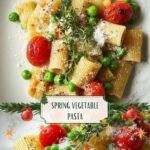
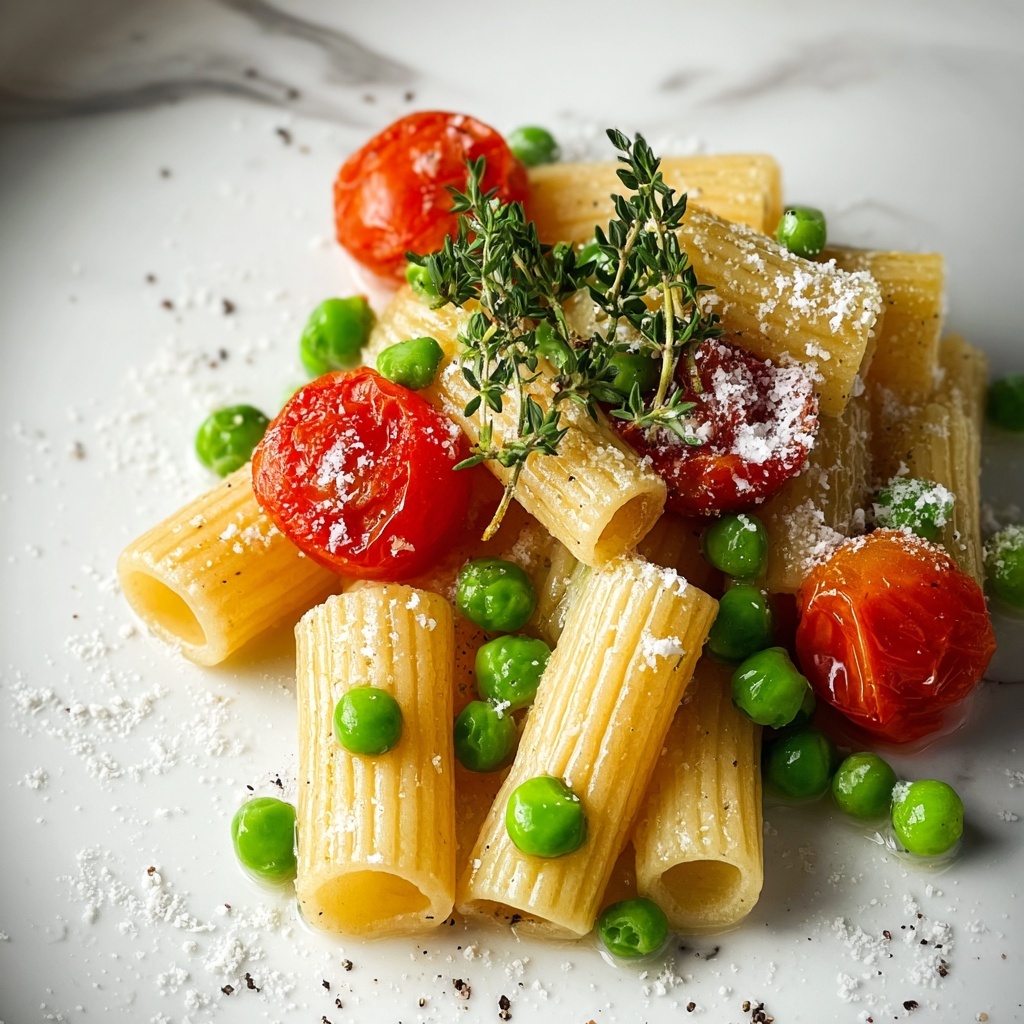
There is nothing quite like the fresh, vibrant flavors of a perfect Spring Vegetable Pasta Recipe to brighten up your table. Bursting with crisp asparagus, tender peas, juicy cherry tomatoes, and tender zucchini, this delightful dish embodies the very essence of springtime in every bite. Whether you’re whipping it up for a quick weeknight dinner or impressing guests with a colorful, wholesome meal, this pasta recipe combines simple ingredients in a way that feels both comforting and surprisingly fresh. Trust me, once you try this, it’ll quickly become one of your favorite go-to dishes when you crave something healthy, flavorful, and so easy to prepare.
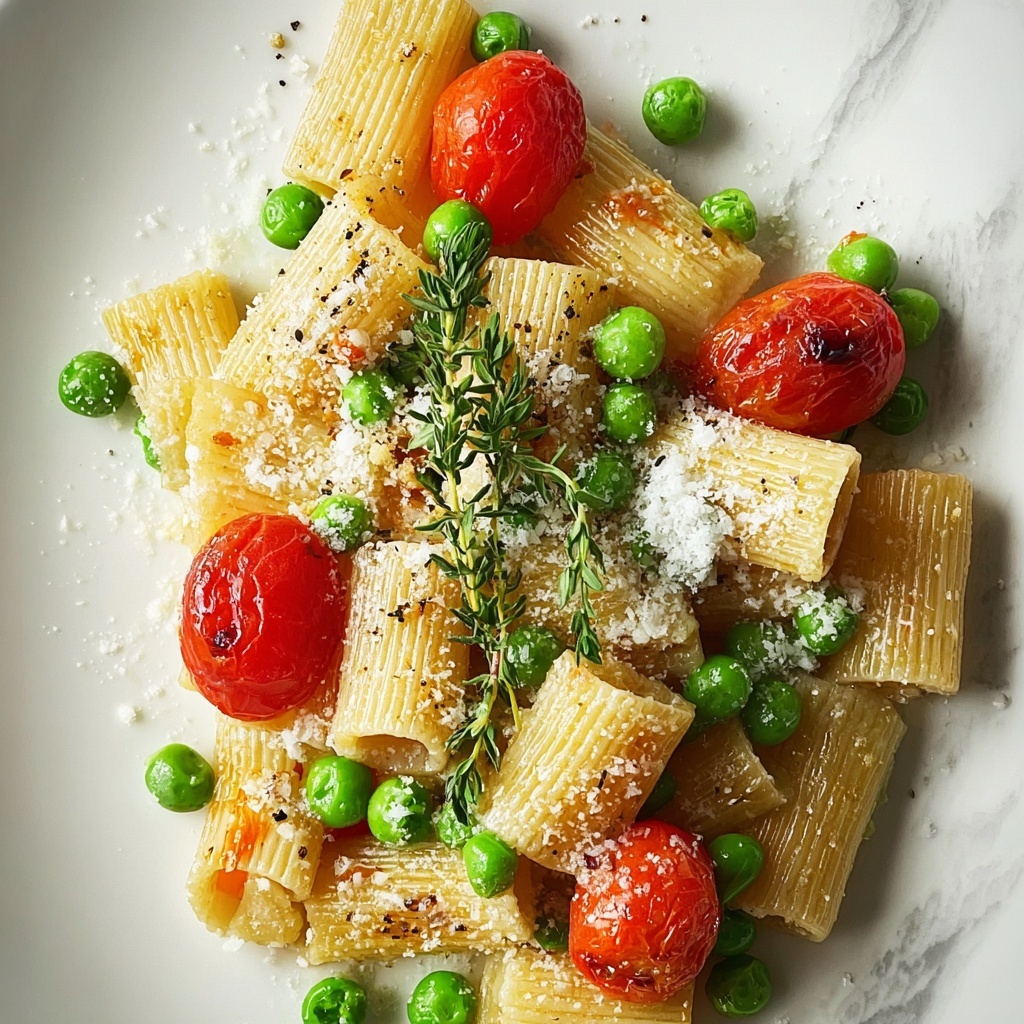
Ingredients You’ll Need
To create this scrumptious spring vegetable pasta, you only need a handful of ingredients, each playing a key role in delivering layers of flavor, texture, and color. The balance between fresh vegetables, pasta, and subtle seasoning is what makes this dish truly special.
- Pasta (8 ounces): Use your favorite type to soak up all the vibrant flavors from the veggies and broth.
- Olive oil (1 tablespoon): Enhances the aroma and helps sauté the veggies to perfection.
- Small onion, diced (1): Adds sweetness and a gentle bite that warms up the dish.
- Garlic cloves, minced (2): A must for that wonderful, savory depth.
- Asparagus, chopped (1 cup): Brings a crisp, fresh bite signifying spring’s arrival.
- Peas (1 cup): Sweet bursts of flavor and contrasting texture.
- Zucchini, sliced (1 cup): Soft and mild, helping to balance the sharper flavors.
- Cherry tomatoes, halved (1 cup): Their juicy tang elevates the overall freshness.
- Fresh basil, chopped (1/4 cup): Aromatic herbaceousness that ties everything together.
- Grated Parmesan cheese (1/4 cup): Adds a lovely savory richness and slight nuttiness.
- Salt (1/2 teaspoon): Essential for seasoning and enhancing all the flavors.
- Black pepper (1/4 teaspoon): Provides a gentle warmth and balance.
- Red pepper flakes (1/4 teaspoon, optional): For those who love a hint of spice.
- Vegetable broth (1/2 cup): Infuses moisture and a subtle earthy note.
- Lemon juice (1 tablespoon): Brightens and freshens the entire dish with its zesty punch.
How to Make Spring Vegetable Pasta Recipe
Step 1: Cook the pasta
Start by bringing a large pot of salted water to a rolling boil. Adding salt here is crucial to flavor the pasta from within. Toss in your chosen pasta and cook according to the package directions, aiming for that perfect al dente texture which will hold up beautifully with the spring vegetables.
Step 2: Sauté the aromatics
While the pasta cooks, heat olive oil in a skillet over medium heat. Add the diced onion and let it cook gently until soft and translucent—this foundation layer adds a subtle sweetness that complements the veggies perfectly. Then toss in the minced garlic, cooking just enough to release its fragrance without letting it burn.
Step 3: Cook the spring vegetables
Introduce the chopped asparagus to the skillet for a couple of minutes, giving it time to soften slightly but still retain a satisfying bite. Follow up with peas and zucchini, allowing the medley to cook until tender and fragrant. Once the vegetables begin to reach their peak, add in the cherry tomatoes for a brief cook that lets them soften and release their natural juices.
Step 4: Season and simmer
Sprinkle in salt, pepper, and optional red pepper flakes, stirring gently to distribute the flavors. Pour in the vegetable broth and bring the skillet mixture to a gentle simmer. This step allows the broth to meld with the vegetables, creating a light sauce that will cling beautifully to the pasta later on.
Step 5: Combine pasta and vegetables
Drain the pasta, reserving some cooking water. Add the pasta directly to the skillet, tossing together with the vegetable mixture. If the dish looks dry, splash in some reserved pasta water to loosen it up and help everything come together with a silky finish.
Step 6: Finish with fresh and cheesy accents
Fold in fresh basil, Parmesan cheese, and a generous squeeze of lemon juice. These elements brighten, enrich, and add that final layer of complexity, turning simple noodles and veggies into a memorable meal. Taste and adjust seasonings if needed, ensuring every bite sings with freshness.
How to Serve Spring Vegetable Pasta Recipe
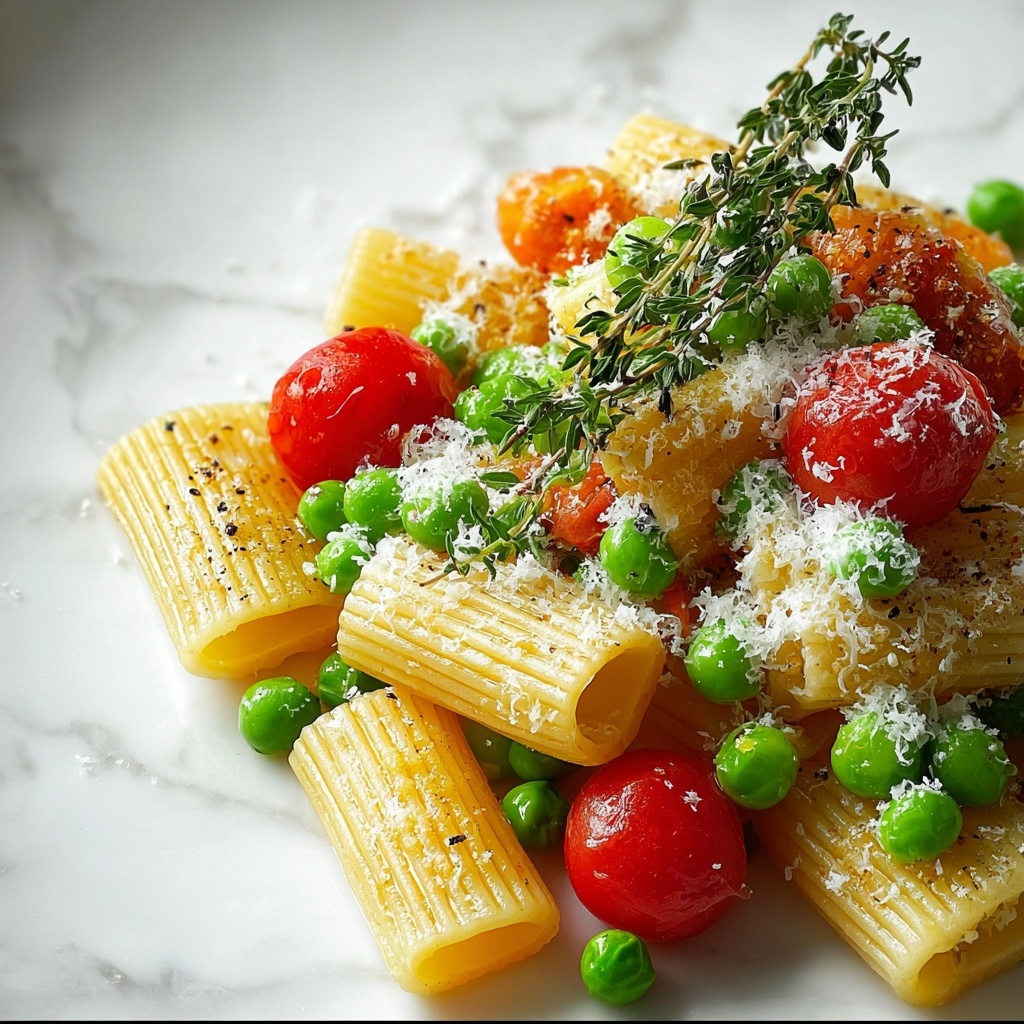
Garnishes
To elevate your Spring Vegetable Pasta Recipe, garnish it with extra grated Parmesan and a few torn basil leaves. A sprinkle of crushed red pepper flakes can also add a lively kick for those who enjoy a bit of heat. These finishing touches create a restaurant-worthy presentation and invite anticipation before the first delicious bite.
Side Dishes
This pasta pairs beautifully with light, complementary sides. Consider serving a crisp green salad with lemon vinaigrette or some crusty whole-grain bread to soak up any leftover sauces. A simple roasted garlic breadstick brings a satisfying crunch that contrasts wonderfully with the softness of the pasta and vegetables.
Creative Ways to Present
For special occasions, try plating the pasta in shallow bowls with a drizzle of high-quality olive oil and a scattering of edible flowers or microgreens for a stunning spring-inspired look. Serving in colorful ceramic dishes can also enhance the visual appeal, making the vibrant vegetables pop on the table. Your guests will love the charm and freshness glaring from the plate!
Make Ahead and Storage
Storing Leftovers
If you find yourself with leftovers, store them in an airtight container in the refrigerator. This Spring Vegetable Pasta Recipe stays fresh for up to 3 days, making it an excellent choice for quick lunches or dinners during busy days. Just be sure to keep the pasta and vegetables together so the flavors continue to marry.
Freezing
Freezing pasta with fresh vegetables can be tricky since some veggies get mushy after freezing and thawing. It’s best to prepare the pasta fresh whenever possible. However, if you want to freeze it, separate the pasta and vegetables and freeze them individually in airtight containers. Thaw gently and reheat carefully to avoid losing the dish’s vibrant texture.
Reheating
Reheat your leftover Spring Vegetable Pasta Recipe gently on the stovetop over low heat, adding a splash of vegetable broth or water to refresh its texture. Microwaving works too but stirring halfway through is essential to evenly warm the dish and keep the vegetables from drying out. A light drizzle of olive oil after reheating helps bring back the fresh shine and flavor.
FAQs
Can I use other types of pasta for this recipe?
Absolutely! While traditional spaghetti or linguine work well, feel free to experiment with penne, farfalle, or even gluten-free varieties. The key is choosing a pasta that will hold sauce and complement the vegetables.
Is this Spring Vegetable Pasta Recipe suitable for vegans?
With a simple swap of Parmesan for a vegan cheese alternative or nutritional yeast, this dish can be made vegan-friendly without losing any of that delicious flavor.
Can I add protein to this pasta?
Definitely! Grilled chicken, sautéed shrimp, or crispy tofu can turn this light pasta into a more substantial meal. Just add your protein at the end or in a separate pan, then combine before serving.
How can I make this dish spicier?
Increase the red pepper flakes or add a dash of hot sauce to the vegetable mixture as it simmers. Freshly minced chili peppers also work well if you enjoy a stronger kick.
What’s the best way to keep the vegetables crisp?
Don’t overcook them! Keep an eye on the skillet and cook the vegetables just until tender but still vibrant and slightly crisp to retain their springtime freshness and texture.
Final Thoughts
This Spring Vegetable Pasta Recipe is a delightful way to celebrate the flavors of the season with simple ingredients and straightforward steps. Its bright colors, fresh herbs, and light yet satisfying taste make it a standout dish you will return to time and again. I can’t wait for you to try it and share this joyful, heartwarming meal with your friends and family. Happy cooking!
Print
Spring Vegetable Pasta Recipe
- Prep Time: 0h 15m
- Cook Time: 0h 20m
- Total Time: 0h 35m
- Yield: 4 servings
- Category: Main Course
- Method: Stovetop
- Cuisine: Italian
- Diet: Vegetarian
Description
This vibrant Spring Vegetable Pasta combines fresh asparagus, peas, zucchini, and cherry tomatoes tossed with al dente pasta and a light lemony Parmesan sauce. A perfect quick and healthy dish bursting with seasonal flavors.
Ingredients
Pasta and Sauce
- 8 ounces pasta
- 1 tablespoon olive oil
- 1/2 cup vegetable broth
- 1 tablespoon lemon juice
- 1/4 cup grated Parmesan cheese
- 1/4 cup fresh basil, chopped
- 1/2 teaspoon salt
- 1/4 teaspoon black pepper
- 1/4 teaspoon red pepper flakes (optional)
Vegetables
- 1 small onion, diced
- 2 cloves garlic, minced
- 1 cup asparagus, chopped
- 1 cup peas
- 1 cup zucchini, sliced
- 1 cup cherry tomatoes, halved
Instructions
- Boil Pasta: Bring a large pot of salted water to a boil. Add the pasta and cook according to package instructions until al dente.
- Sauté Onions: While pasta cooks, heat olive oil in a large skillet over medium heat. Add diced onion and sauté for 3 to 4 minutes until soft and translucent.
- Add Garlic: Stir in minced garlic and sauté for 30 seconds, stirring constantly to avoid burning.
- Cook Asparagus: Add chopped asparagus to the skillet and cook for 2 to 3 minutes, stirring occasionally.
- Add Peas and Zucchini: Incorporate peas and sliced zucchini and cook for another 3 to 4 minutes until vegetables are tender.
- Add Tomatoes: Stir in halved cherry tomatoes and cook for 2 minutes until they just start to soften.
- Season Vegetables: Add salt, black pepper, and optional red pepper flakes. Stir well to combine.
- Add Broth and Simmer: Pour in vegetable broth, bringing mixture to a gentle simmer. Cook for 2 to 3 minutes allowing flavors to meld and broth to reduce slightly.
- Drain Pasta: Drain the cooked pasta, reserving about 1/2 cup of pasta water.
- Toss Pasta with Vegetables: Add drained pasta to the skillet with vegetables. Toss to combine, adding reserved pasta water if needed to loosen the sauce.
- Finish with Basil, Parmesan, and Lemon: Stir in chopped fresh basil, grated Parmesan cheese, and lemon juice until well incorporated.
- Adjust Seasoning and Serve: Taste and adjust salt, pepper, or lemon juice as desired. Serve warm, optionally garnished with extra Parmesan and basil.
Notes
- If you prefer a creamier sauce, add a splash of cream or a dollop of ricotta cheese before serving.
- Use gluten-free pasta if needed to make this dish gluten free.
- To make it vegan, substitute Parmesan with nutritional yeast or vegan cheese alternatives.
- Reserve pasta water to help loosen the sauce and bind it to the pasta for a silky texture.
- Red pepper flakes add a subtle heat, but you can omit them if you prefer a milder flavor.